A Journey Written in Tiny Wings
(PART-1)
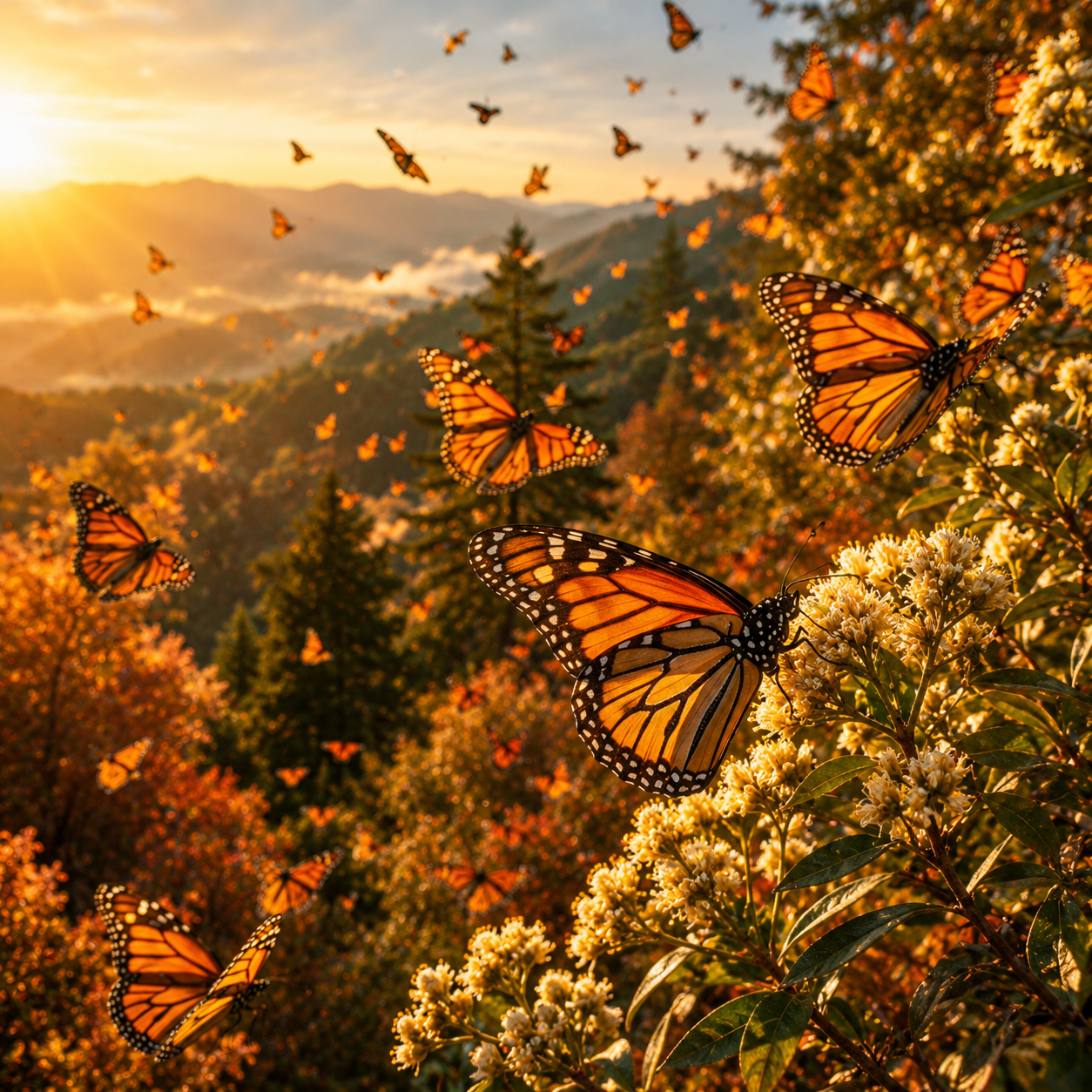
Every year, as the days grow shorter and temperatures begin to fall, something extraordinary unfolds across North America.
Millions of delicate orange-and-black butterflies rise into the sky and begin an incredible journey south. Unlike birds, they don't travel in flocks or follow experienced leaders. Each butterfly weighs less than a paperclip, yet together they cross mountains, rivers, forests, and vast open landscapes.
Some will fly more than 4,000 kilometers (2,500 miles) before reaching their winter home.
It's one of the longest and most remarkable migrations ever performed by an insect.
Even more astonishing, the butterflies making the journey have never completed it before.
So how do they know exactly where to go?
Meet the Monarch Butterfly
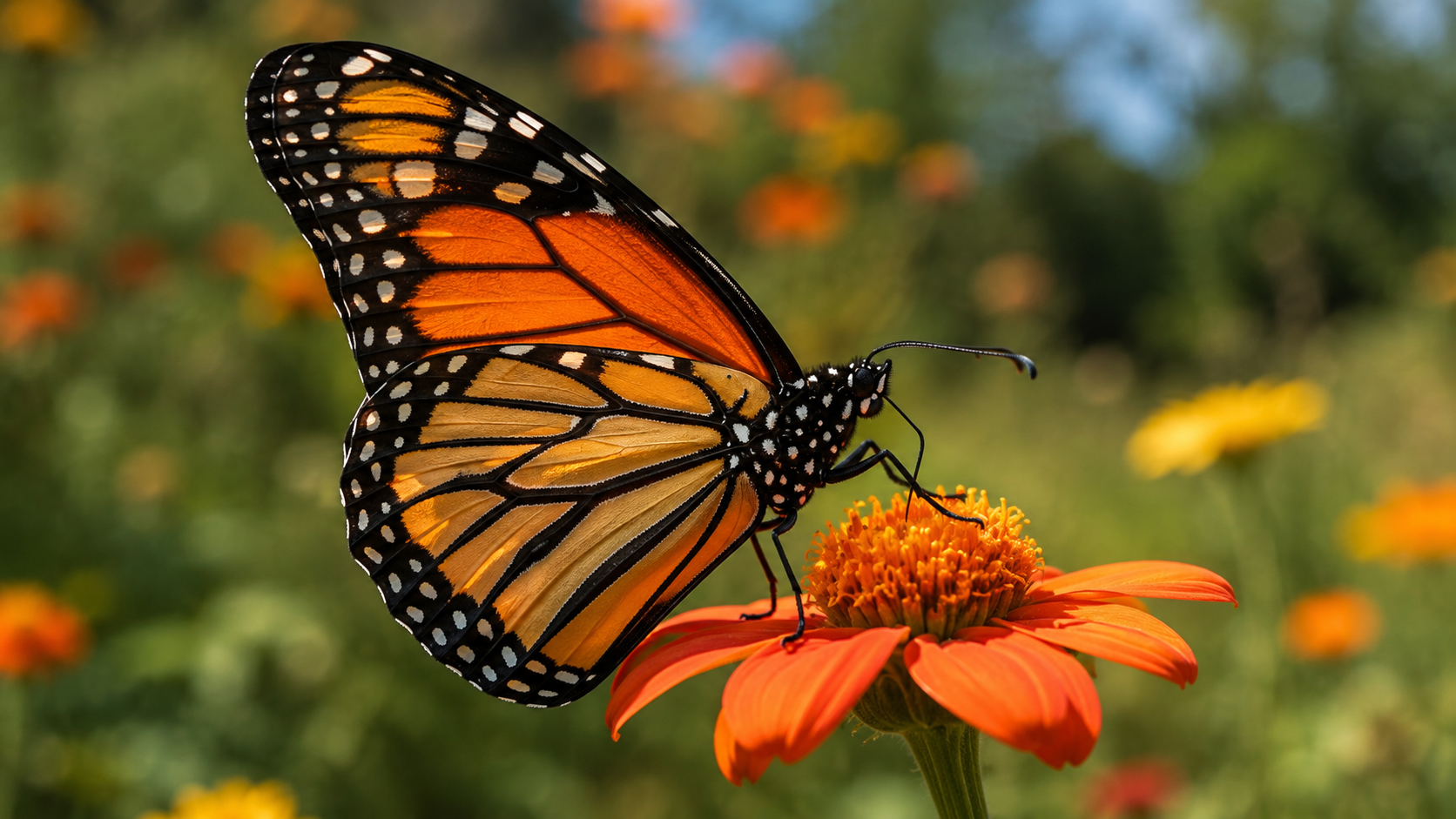
At first glance, the monarch butterfly looks like many other colorful butterflies.
Its bright orange wings, outlined with bold black veins and dotted with white spots, make it one of the most recognizable insects in the world.
But beneath its beautiful appearance lies an extraordinary survivor.
A monarch's lightweight body is perfectly designed for long-distance flight. Its broad wings allow it to glide on warm air currents, conserving energy during its epic migration.
Unlike many insects that spend their entire lives in one small area, monarch butterflies travel across an entire continent, connecting Canada, the United States, and Mexico through one incredible annual journey.
Their migration has fascinated scientists for decades and remains one of nature's greatest mysteries.
Why Do Monarch Butterflies Migrate?
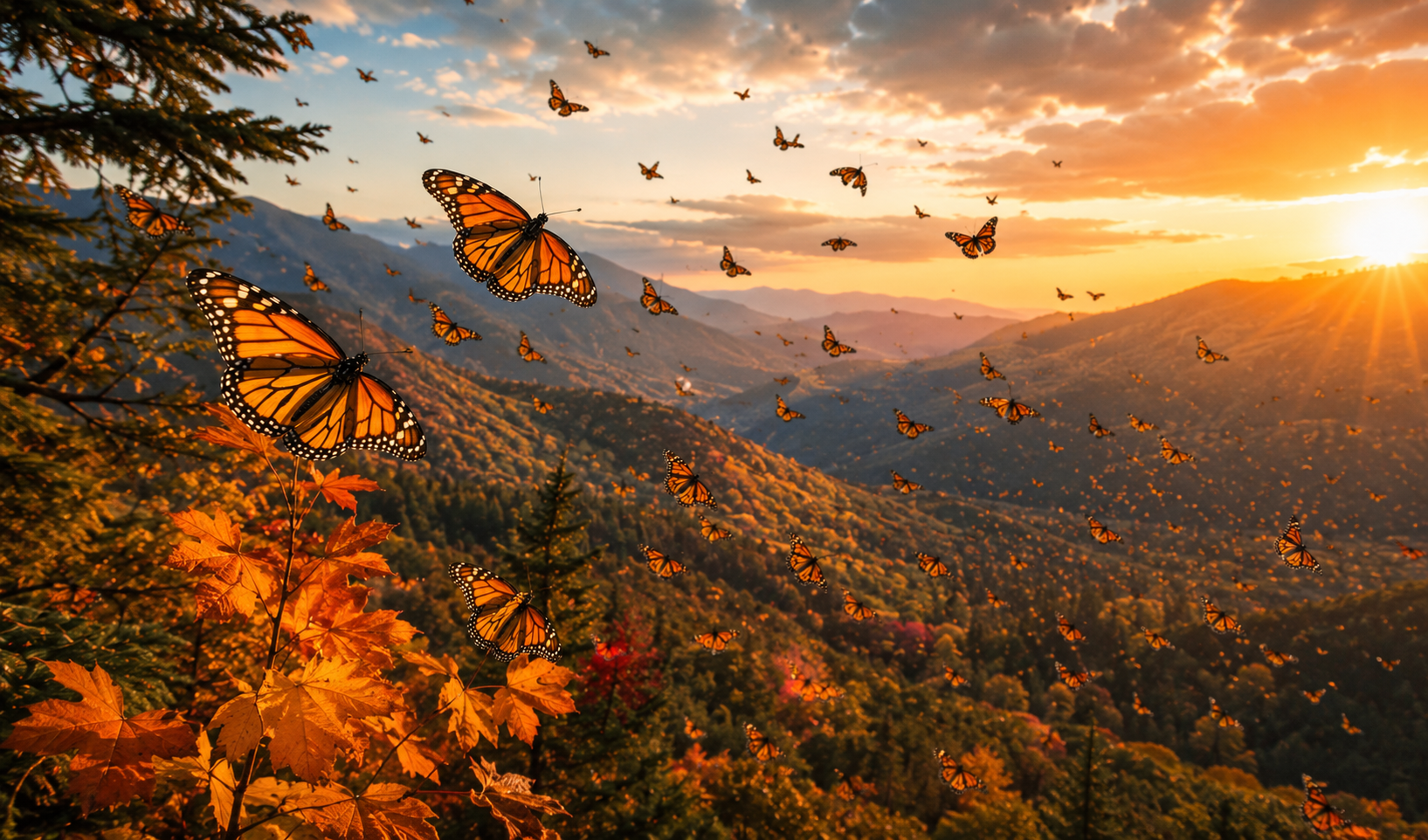
Most butterflies live in warm environments where flowers continue blooming throughout the year.
Monarch butterflies face a different challenge.
As autumn approaches, temperatures begin to drop across northern North America. Flowers disappear, nectar becomes scarce, and freezing weather makes survival impossible.
Instead of staying and risking death, monarch butterflies take flight.
Their destination is the cool mountain forests of central Mexico, where millions gather together to survive the winter in a sheltered environment.
When spring arrives, they begin the long journey north once again, following the return of blooming wildflowers and the milkweed plants their young depend upon.
Migration allows monarch butterflies to survive changing seasons while taking advantage of the best habitats throughout the year.
A Journey of Thousands of Kilometers
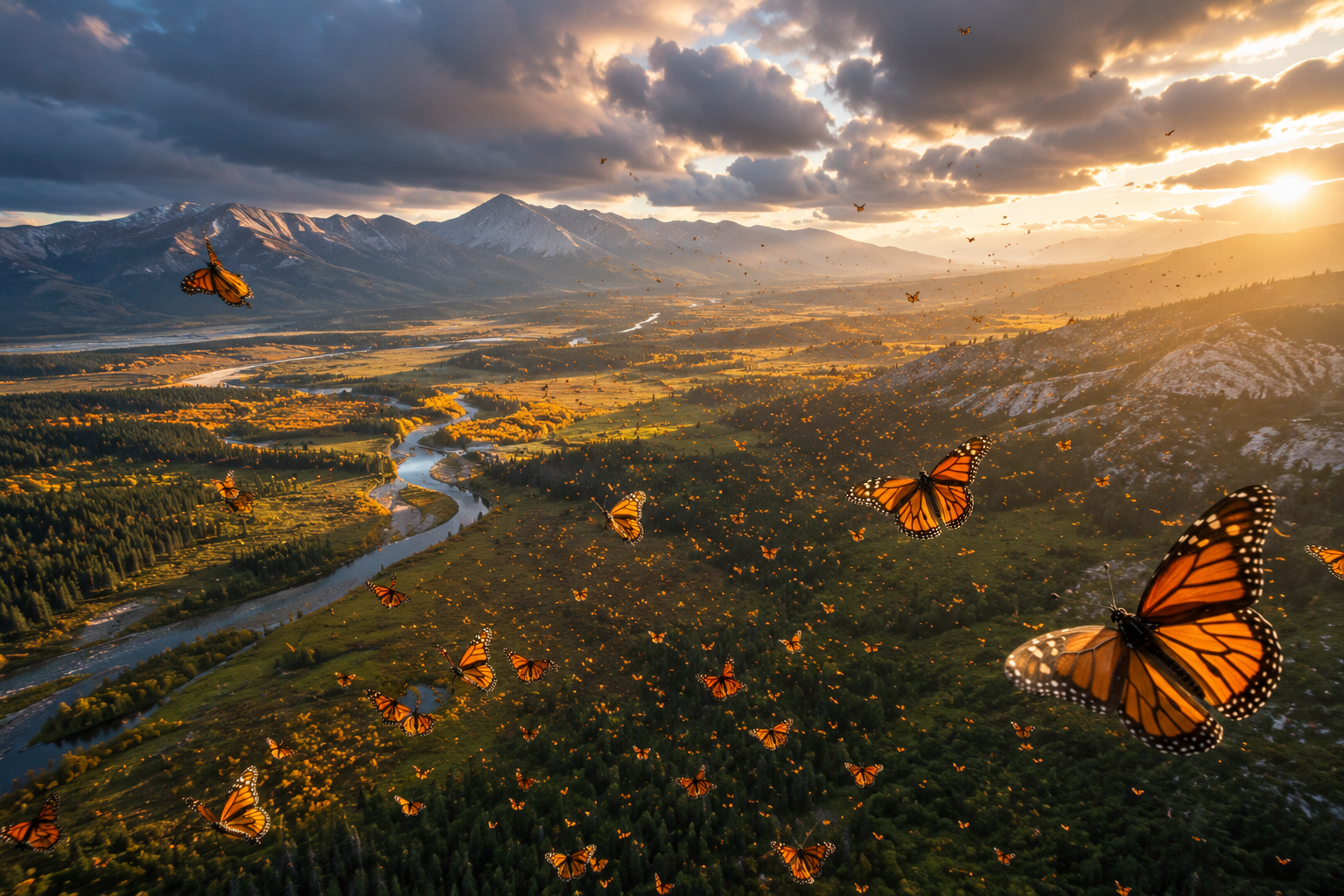
Imagine beginning a journey that stretches farther than many people travel in a lifetime.
For monarch butterflies, this is an annual event.
Some populations travel more than 4,000 kilometers, flying across forests, grasslands, rivers, and mountain ranges.
They don't fly continuously.
Instead, they stop frequently to feed on nectar, rest in trees, and wait for favorable weather before continuing.
Warm sunlight helps them become active, while strong winds can either speed up their journey or force them to seek shelter.
Despite their fragile appearance, monarch butterflies are surprisingly resilient.
Each day brings new obstacles, yet millions successfully continue southward, following a route their ancestors have traveled for countless generations.
The Generation That Never Returns
Perhaps the most remarkable part of the monarch migration isn't the distance.
It's the travelers themselves.
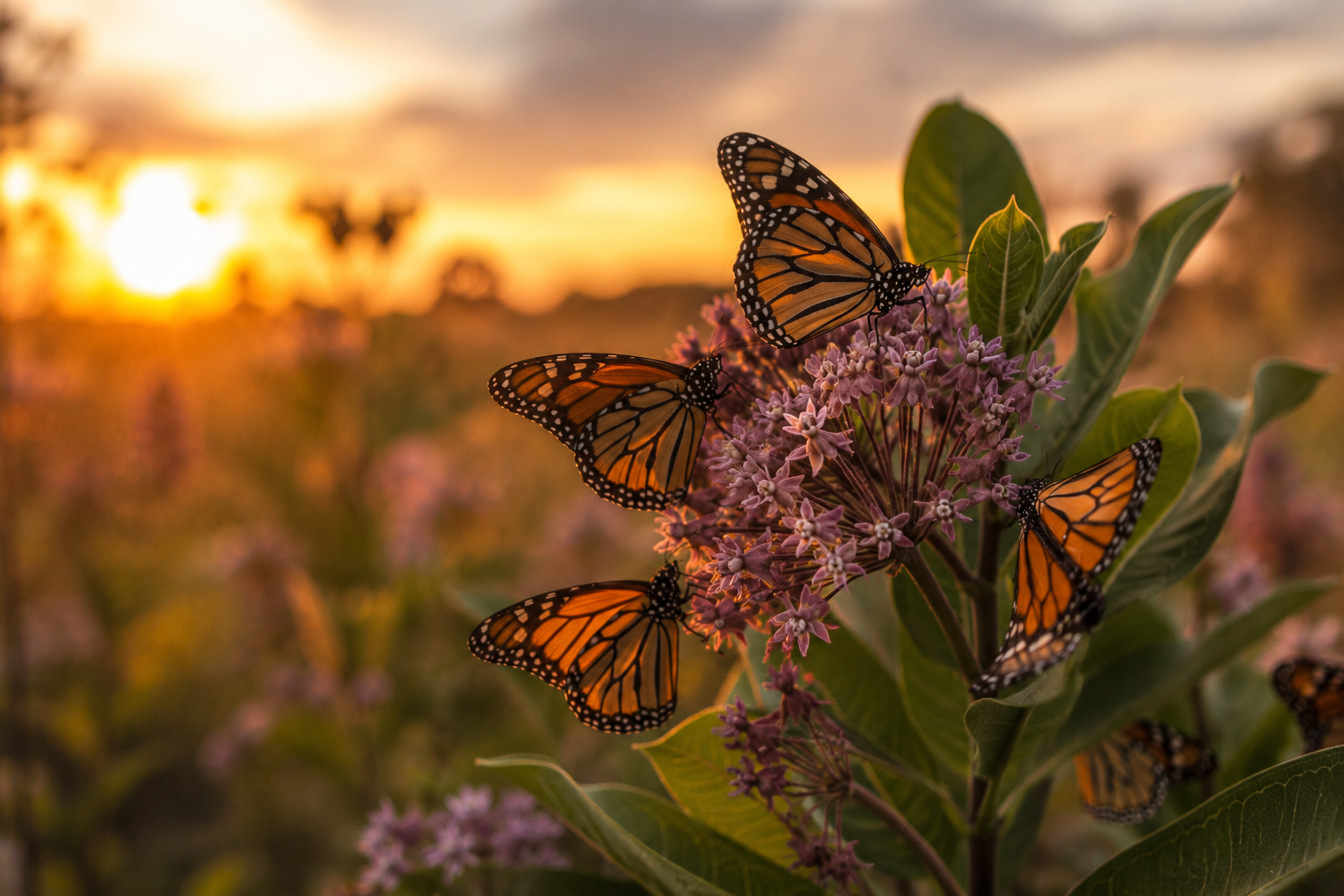
Most monarch butterflies live only two to six weeks.
But the butterflies born at the end of summer are different.
Known as the "super generation," they can live for up to eight months, long enough to complete the journey to Mexico, survive the winter, and begin the return trip north.
Even more incredible, these butterflies have never made the migration before.
There are no older butterflies guiding them.
No maps.
No teachers.
Yet they somehow find the same forests their ancestors visited year after year.
Exactly how they accomplish this remarkable feat remains one of the greatest mysteries in the natural world.
How Monarch Butterflies Find Their Way
For a creature with a brain smaller than a grain of rice, the monarch butterfly performs something that seems almost impossible.
Every year, millions of monarchs travel across an entire continent and arrive at the same forests their ancestors used for generations.
But they don't have maps.
They don't have parents teaching them the route.
So how do they know where to go?
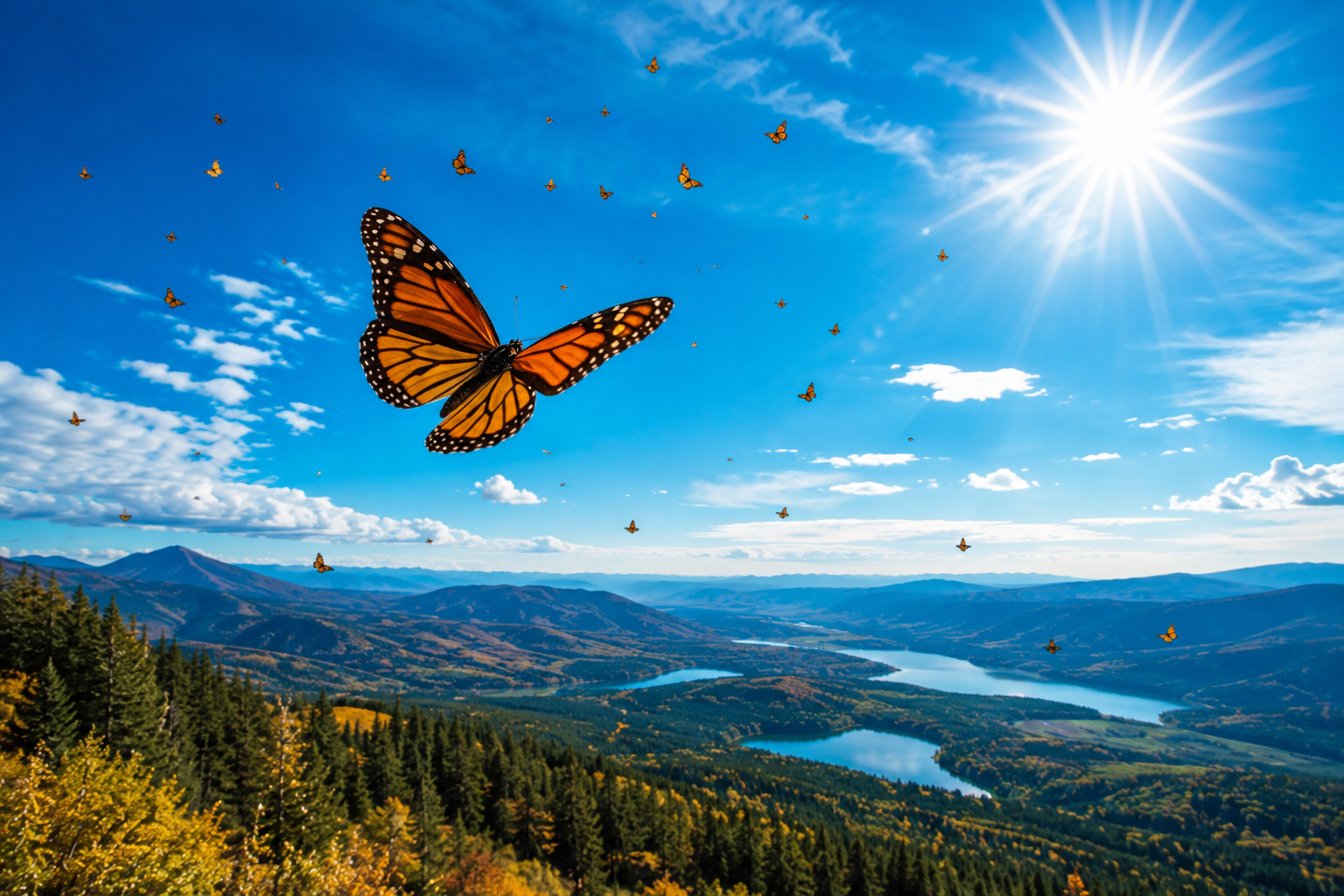
Scientists have discovered that monarch butterflies use a combination of the Sun, Earth's magnetic field, and their internal biological clock to navigate.
During the day, they use the position of the Sun as a compass. Their eyes can detect sunlight patterns, helping them maintain the correct direction during their journey.
Even on cloudy days, monarchs have another tool—a magnetic sense that allows them to detect Earth's invisible magnetic field.
This built-in navigation system acts like a natural GPS, guiding these tiny travelers across thousands of kilometers.
Nature has equipped the monarch with technology that humans are still trying to fully understand.
The Challenges Along the Journey
A monarch butterfly's migration is not a peaceful vacation.
The journey is filled with danger.
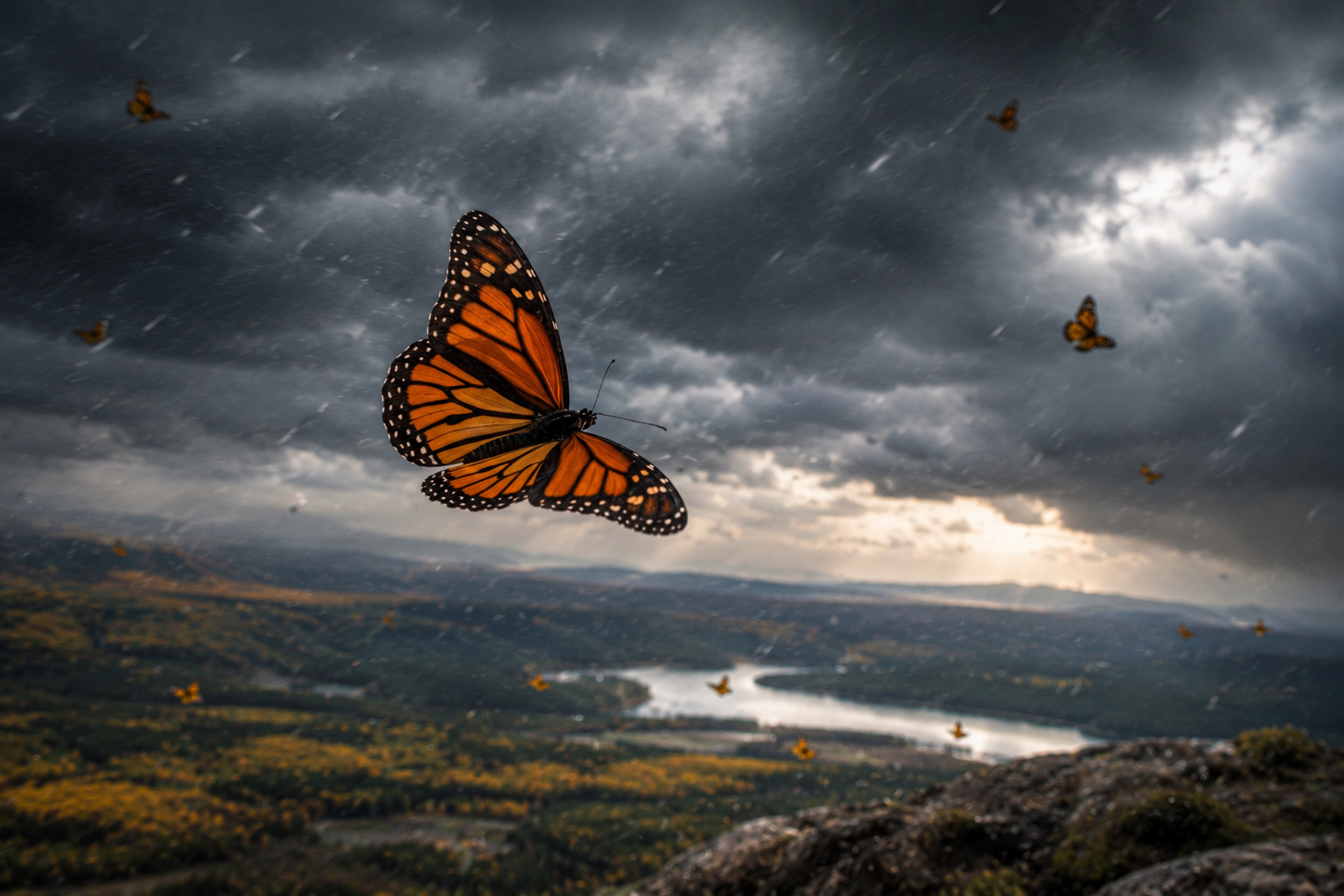
Strong winds can push butterflies away from their route. Storms can destroy resting places and kill thousands of individuals. Extreme temperatures can slow their movement or prevent them from reaching important feeding areas.
Predators also wait along the way.
Birds, spiders, and other insects may see monarchs as an easy meal. However, monarch butterflies have developed a clever defense.
Their bright orange and black colors warn predators that they are toxic.
Monarchs absorb chemicals called cardenolides from milkweed plants during their caterpillar stage. These chemicals make them unpleasant and sometimes dangerous for predators to eat.
Their beautiful wings are not just for display—they are also a survival warning.
The Forests That Welcome Millions
After traveling thousands of kilometers, monarch butterflies finally reach their winter destination.
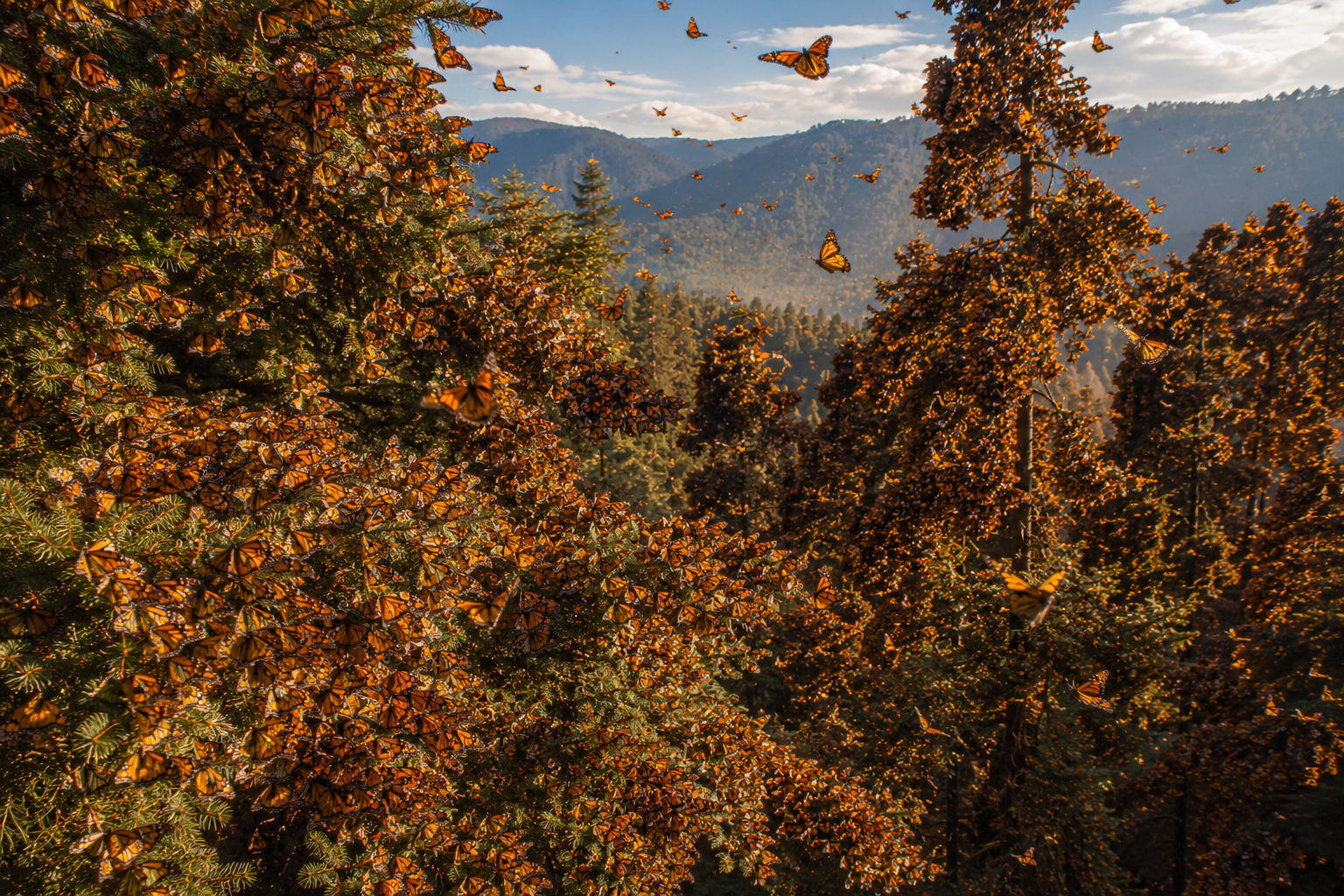
Deep in the mountains of central Mexico, millions gather in ancient forests filled with oyamel fir trees.
Here, the butterflies cover tree branches like living blankets of orange and black.
The sight is one of nature's most breathtaking spectacles.
The cool mountain climate slows their metabolism, allowing them to conserve energy during the winter months. They cluster together for warmth and protection, sometimes covering entire trees.
For local communities, these forests are not just beautiful landscapes—they are places of cultural importance and natural heritage.
After months of flight, these forests provide the monarchs with the shelter they need to survive until spring.
Threats to the Great Migration
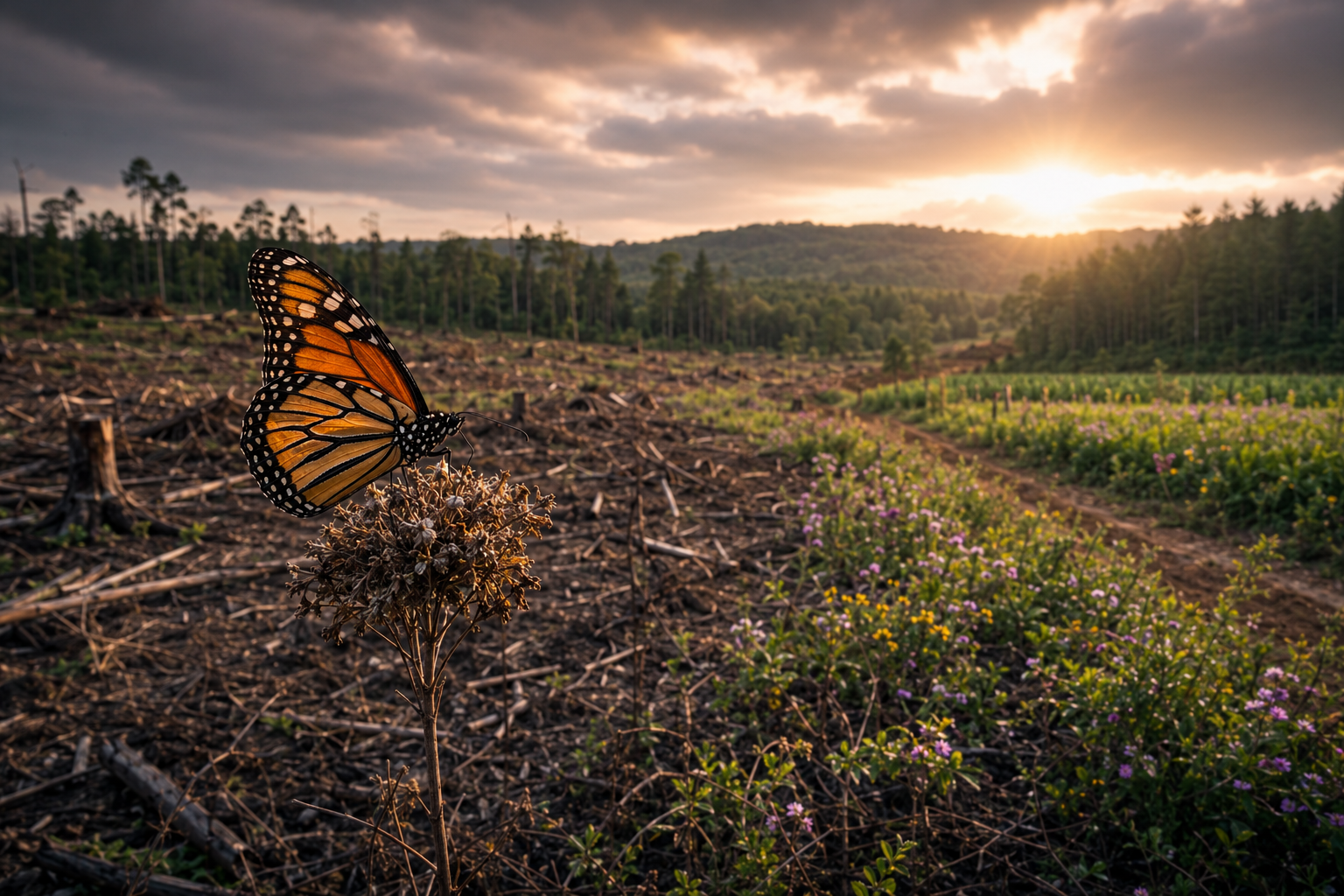
The monarch migration is one of nature's greatest journeys, but it is facing serious challenges.
One of the biggest threats is the loss of milkweed, the only plant monarch caterpillars can eat. As agricultural areas expand and landscapes change, many milkweed habitats have disappeared.
Climate change is also affecting the timing of migration. Changes in temperature and rainfall can alter when flowers bloom and when butterflies begin their journey.
Deforestation in their winter habitats has reduced the protected forests where monarchs spend the colder months.
Pesticides and habitat destruction add even more pressure to already vulnerable populations.
A journey that took millions of years to perfect now depends heavily on the choices humans make today.
Can We Protect Their Future?
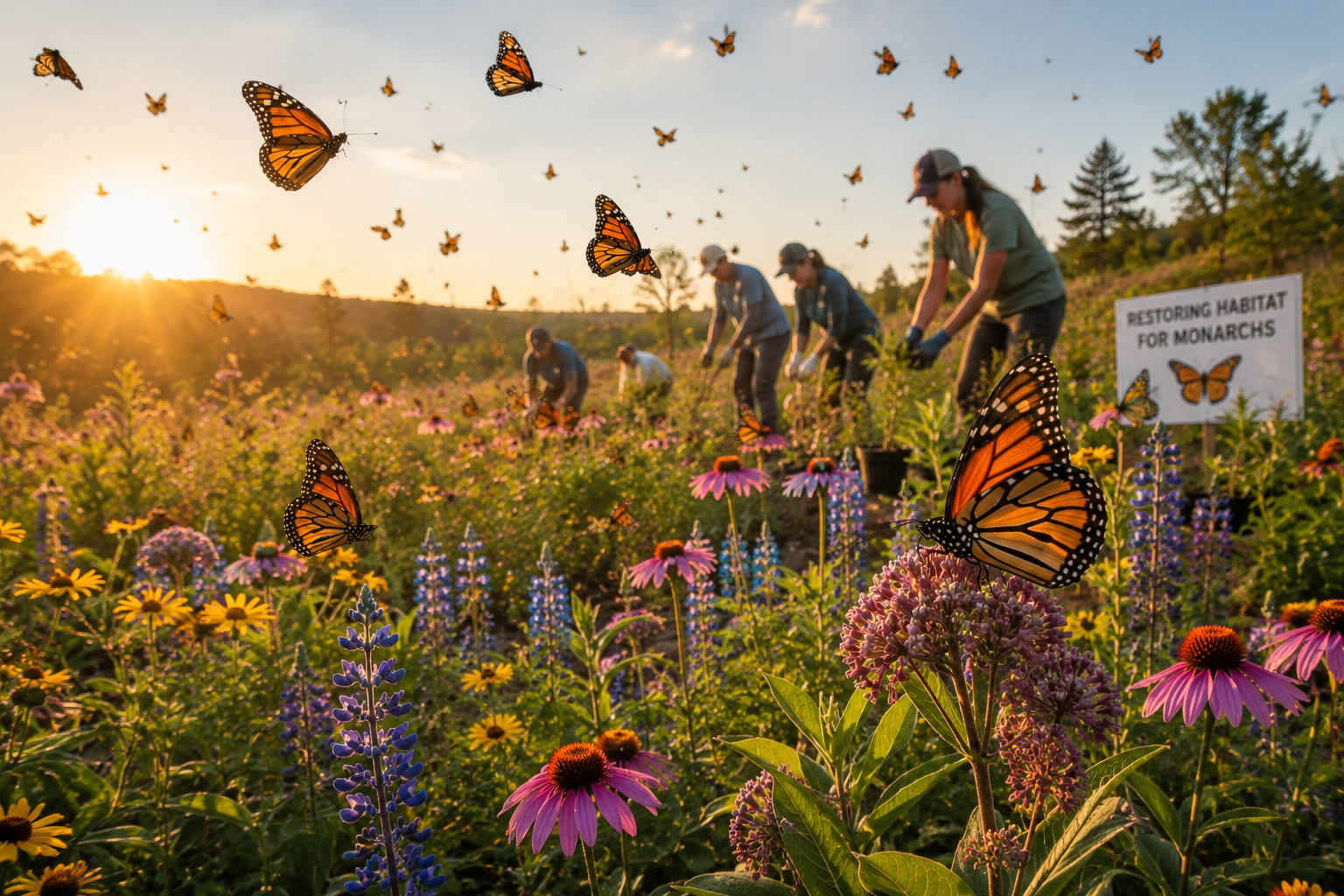
The story of monarch butterflies is not only about loss—it is also about hope.
People around the world are working to protect their migration by planting native wildflowers, restoring milkweed habitats, protecting forests, and creating butterfly-friendly gardens.
Even small actions can make a difference.
A backyard filled with native flowers can become a resting place for a migrating butterfly. A protected forest can provide shelter for millions during winter.
The monarch migration connects an entire continent, reminding us that nature does not follow human borders.
Protecting these butterflies means protecting the landscapes, plants, and ecosystems that support countless other species.
Amazing Monarch Butterfly Facts
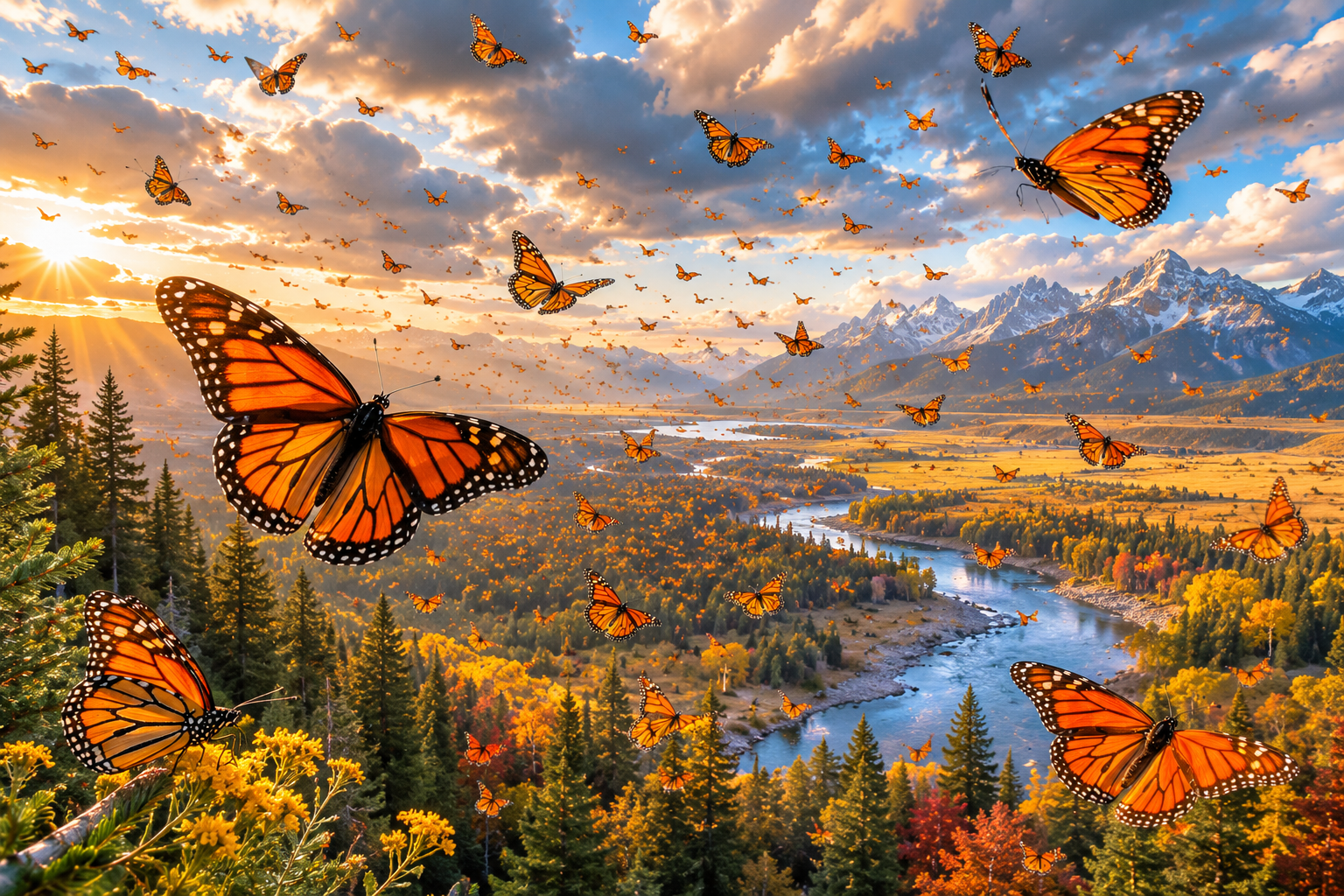
The monarch butterfly is more than just a beautiful insect. Every stage of its life reveals an incredible adaptation that has helped it survive for millions of years.
Here are some fascinating facts that make monarch butterflies one of nature's greatest travelers:
- 🦋 Some monarch butterflies migrate over 4,000 kilometers (2,500 miles) during their annual journey.
- 🌎 Their migration spans Canada, the United States, and Mexico, connecting three countries.
- 🧭 Monarchs use the Sun, Earth's magnetic field, and an internal biological clock to navigate.
- 🐛 Monarch caterpillars feed only on milkweed, making the plant essential for their survival.
- 🦅 Their bright orange and black wings warn predators that they contain toxic chemicals absorbed from milkweed.
- 🦋 A special "super generation" can live up to eight months, much longer than ordinary monarchs.
- 🌸 During migration, monarchs pollinate many wildflowers while feeding on nectar.
Despite decades of research, scientists continue discovering new secrets about these remarkable butterflies.
The Wings That Connect a Continent
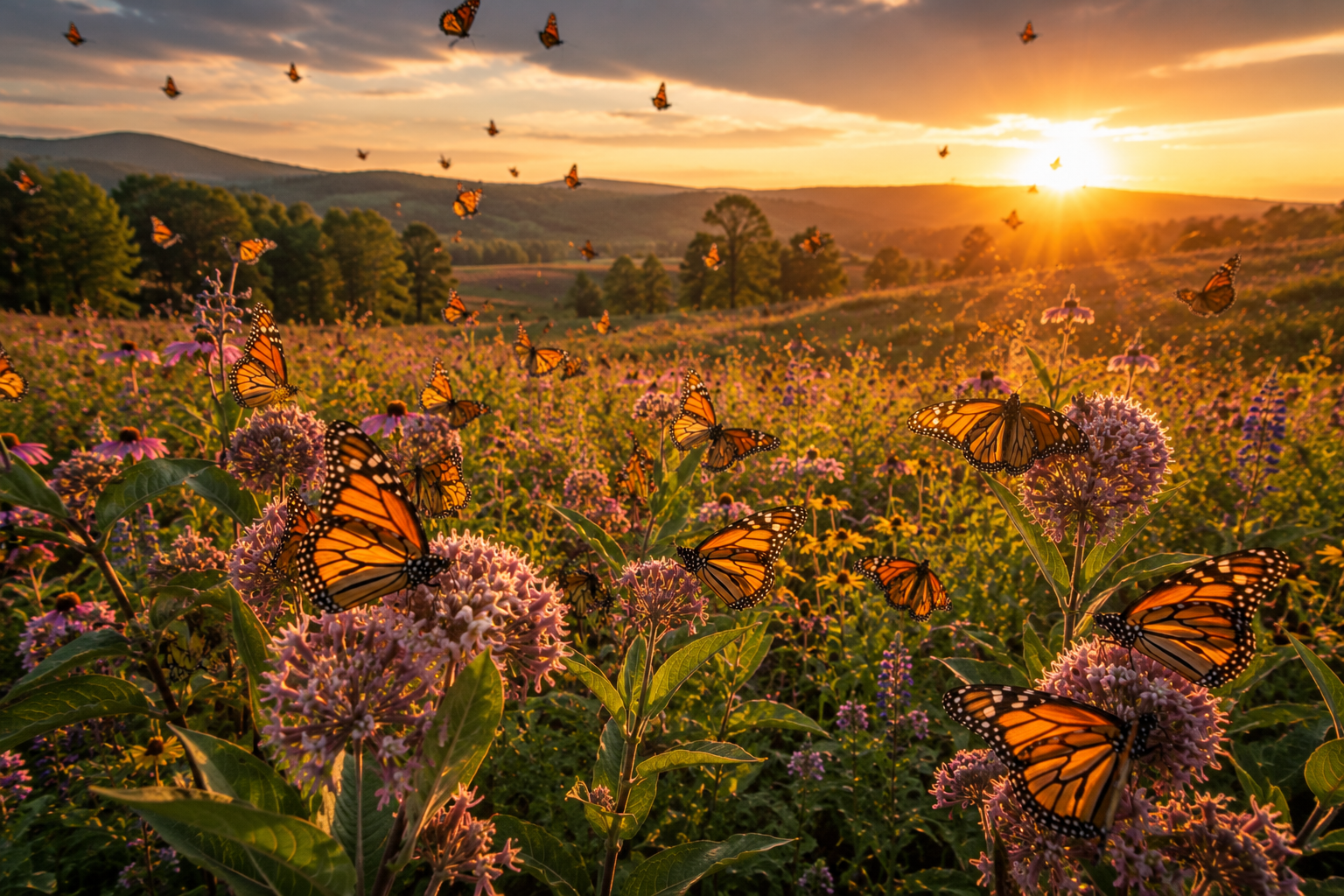
Every autumn, millions of monarch butterflies set out on a journey that has repeated itself for countless generations.
Without maps, roads, or leaders, they cross mountains, rivers, forests, and open plains, guided only by instincts written into their tiny bodies.
Their migration reminds us that nature is beautifully connected. A butterfly born in Canada may depend on flowers in the United States before finally reaching the mountain forests of Mexico.
Protecting monarch butterflies means protecting the habitats, wildflowers, and forests that make this incredible journey possible.
The next time you see a monarch butterfly drifting through the air, remember that its wings carry one of the greatest migration stories on Earth—a story of endurance, precision, and the extraordinary wonders hidden in the natural world.