The Tiny Workers Behind Every Meal
(PART-1)
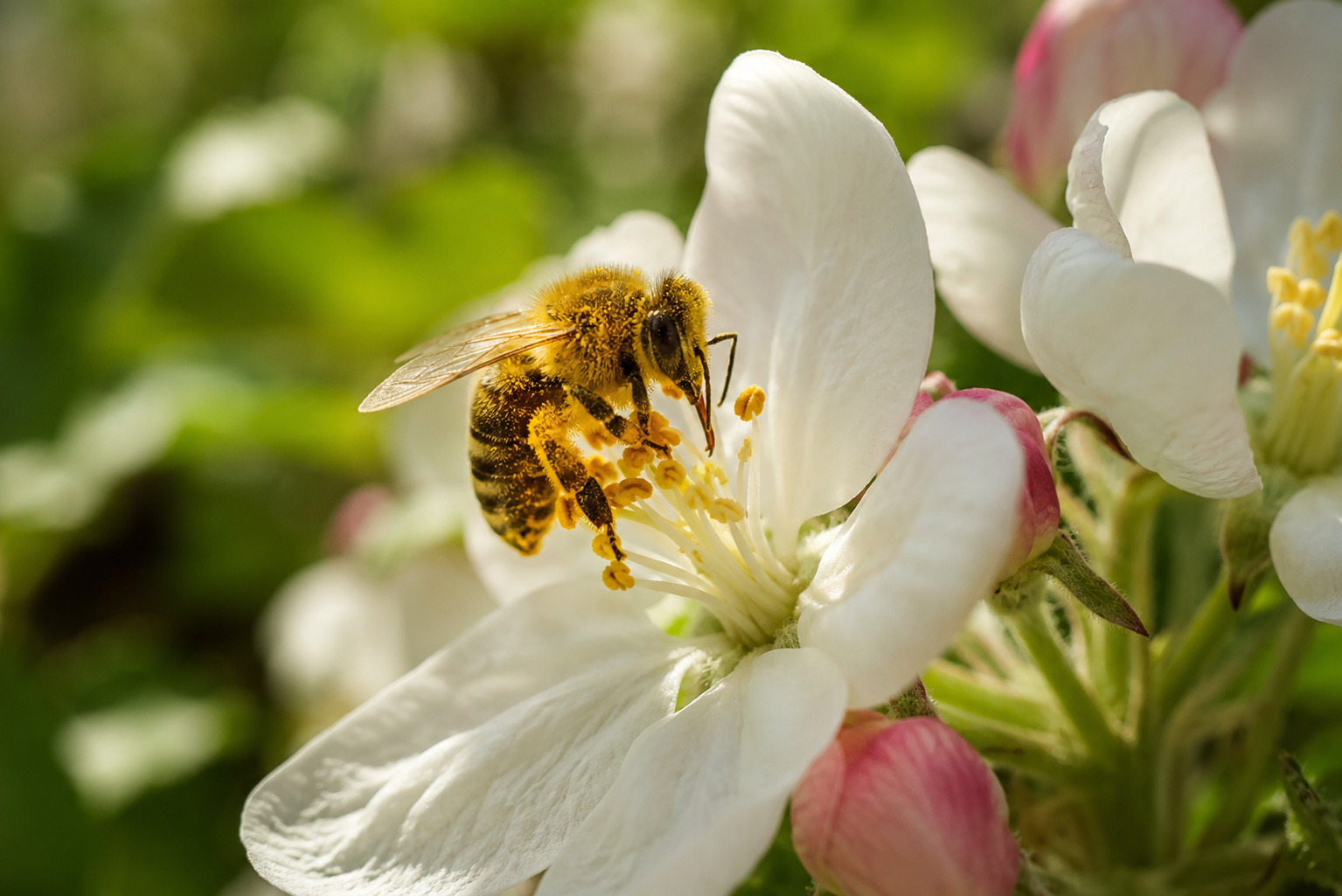
Imagine sitting down to eat your favorite breakfast.
Perhaps it's toast with jam, a bowl of fruit, a handful of almonds, or a cup of coffee.
Now imagine that many of those foods suddenly disappear.
No apples.
No strawberries.
No cucumbers.
No almonds.
Even chocolate becomes much harder to produce.
It sounds like the beginning of a global food crisis, but it could happen if one tiny creature vanished from our planet.
That creature is the honeybee.
While most people notice bees only when they buzz past a flower or hover near a picnic, these remarkable insects perform one of the most important jobs on Earth. Every day, they visit millions of flowers, transferring pollen from one plant to another and helping countless crops produce fruits, vegetables, nuts, and seeds.
Without asking for recognition, honeybees quietly help feed billions of people.
A World Without Honeybees
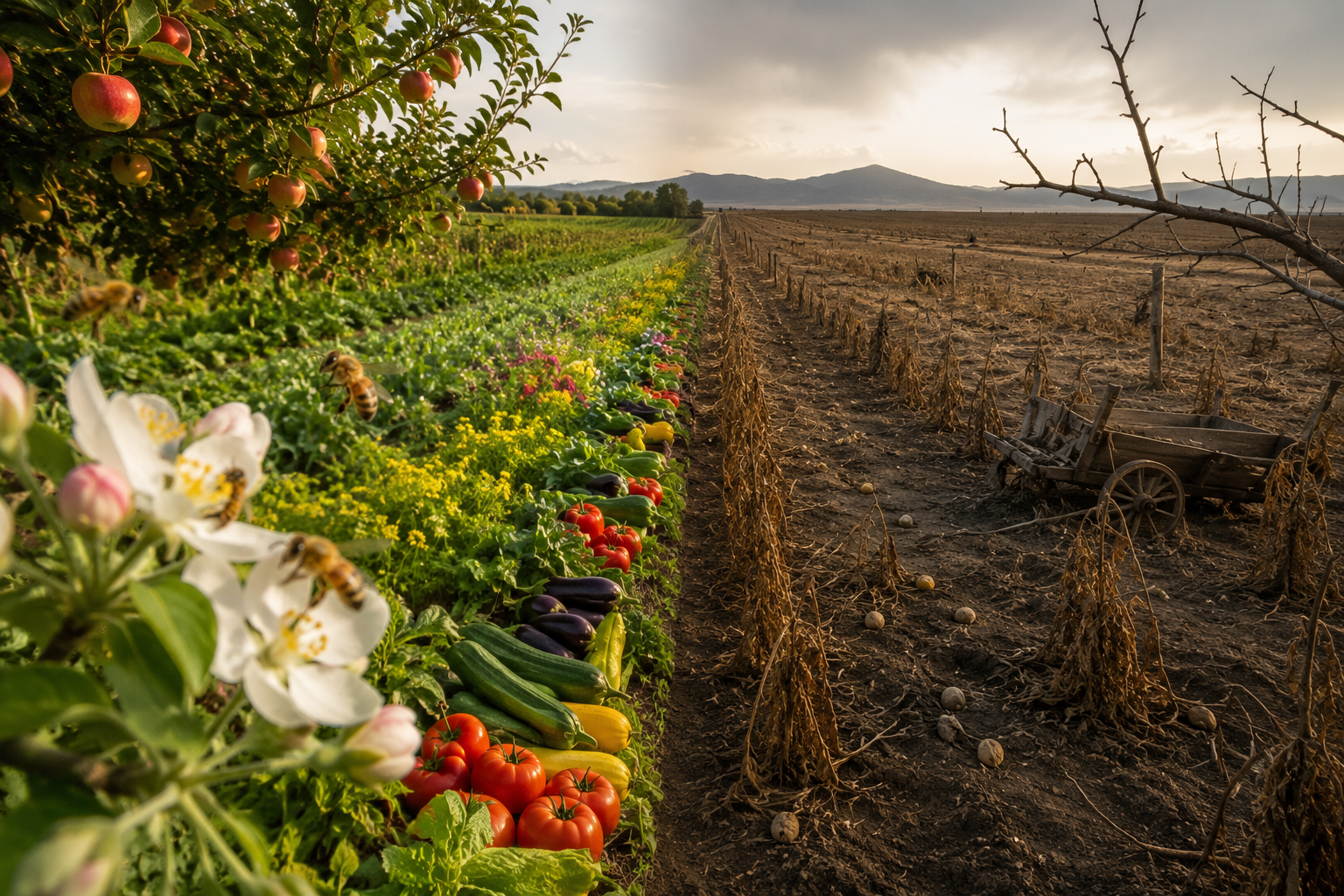
Have you ever wondered what our world would look like without bees?
Contrary to popular belief, humans wouldn't run out of food overnight.
Crops such as wheat, rice, and corn rely mainly on wind rather than insects for pollination.
However, many foods that provide vitamins, healthy fats, and variety in our diets depend heavily on pollinators like honeybees.
Apples, blueberries, cherries, cucumbers, pumpkins, almonds, and countless other crops produce larger and healthier harvests because bees visit their flowers.
Without these tiny pollinators, farmers would harvest fewer fruits and vegetables, food prices could rise, and ecosystems that depend on flowering plants would begin to change.
In other words, bees don't just produce honey.
They help keep much of the world's agriculture running.
What Exactly Is Pollination?
To understand why bees are so important, we first need to understand pollination.
Every flowering plant has one main goal—to produce seeds so the next generation can grow.
For that to happen, pollen from one flower must reach another flower of the same species.
Some plants rely on wind to move pollen.
Others depend on water.
But many flowering plants have chosen a far more reliable partner.
Animals.
Among these animal pollinators, honeybees are the true specialists.
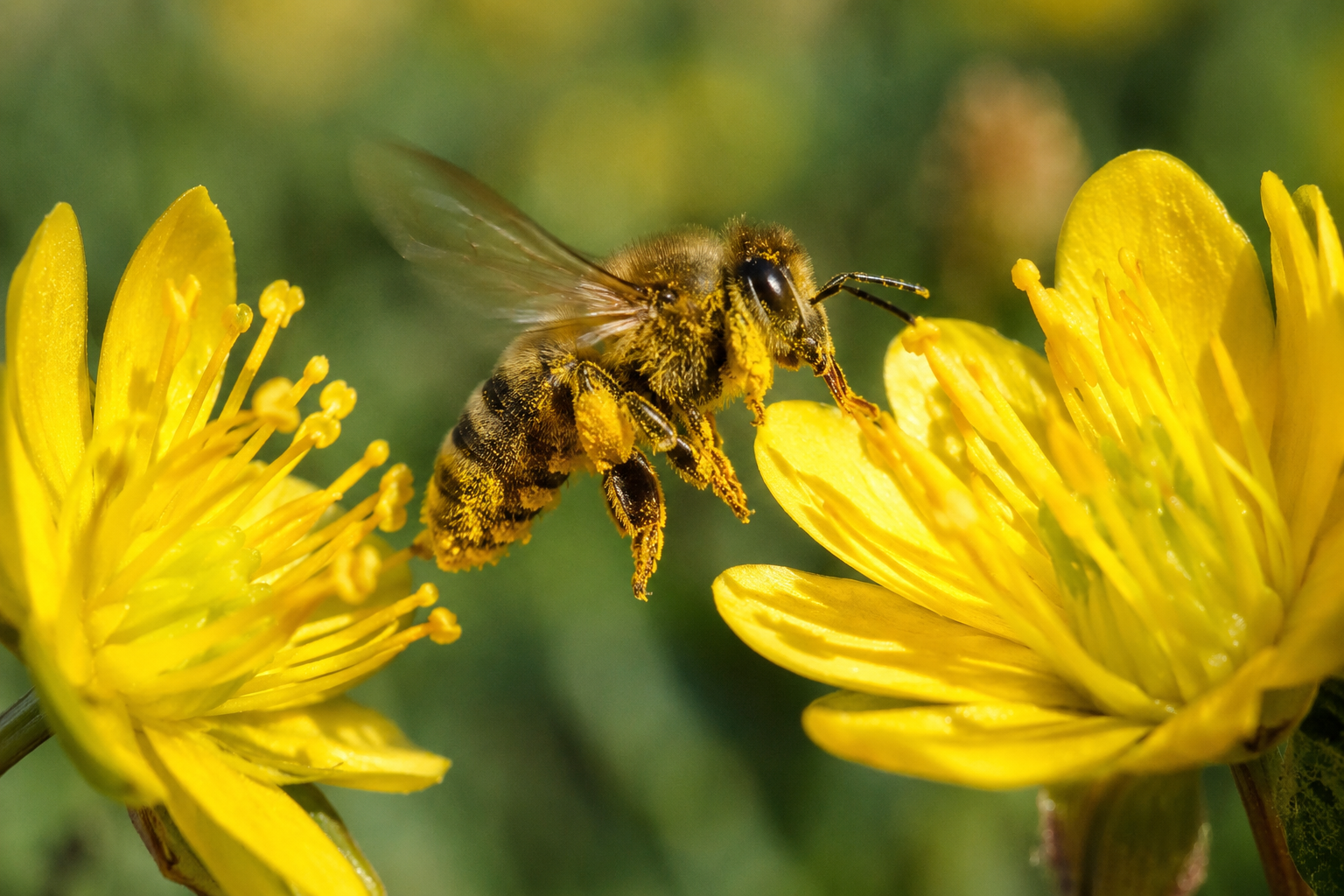
As a bee lands on a flower searching for sweet nectar, tiny grains of pollen stick to the fine hairs covering its body.
When the bee flies to another flower, some of that pollen rubs off onto the flower's reproductive structures.
The plant is successfully pollinated.
Soon afterward, fruits, vegetables, or seeds begin to develop.
A single bee may visit thousands of flowers in just one day, making it one of nature's busiest workers.
How Honeybees Find Millions of Flowers
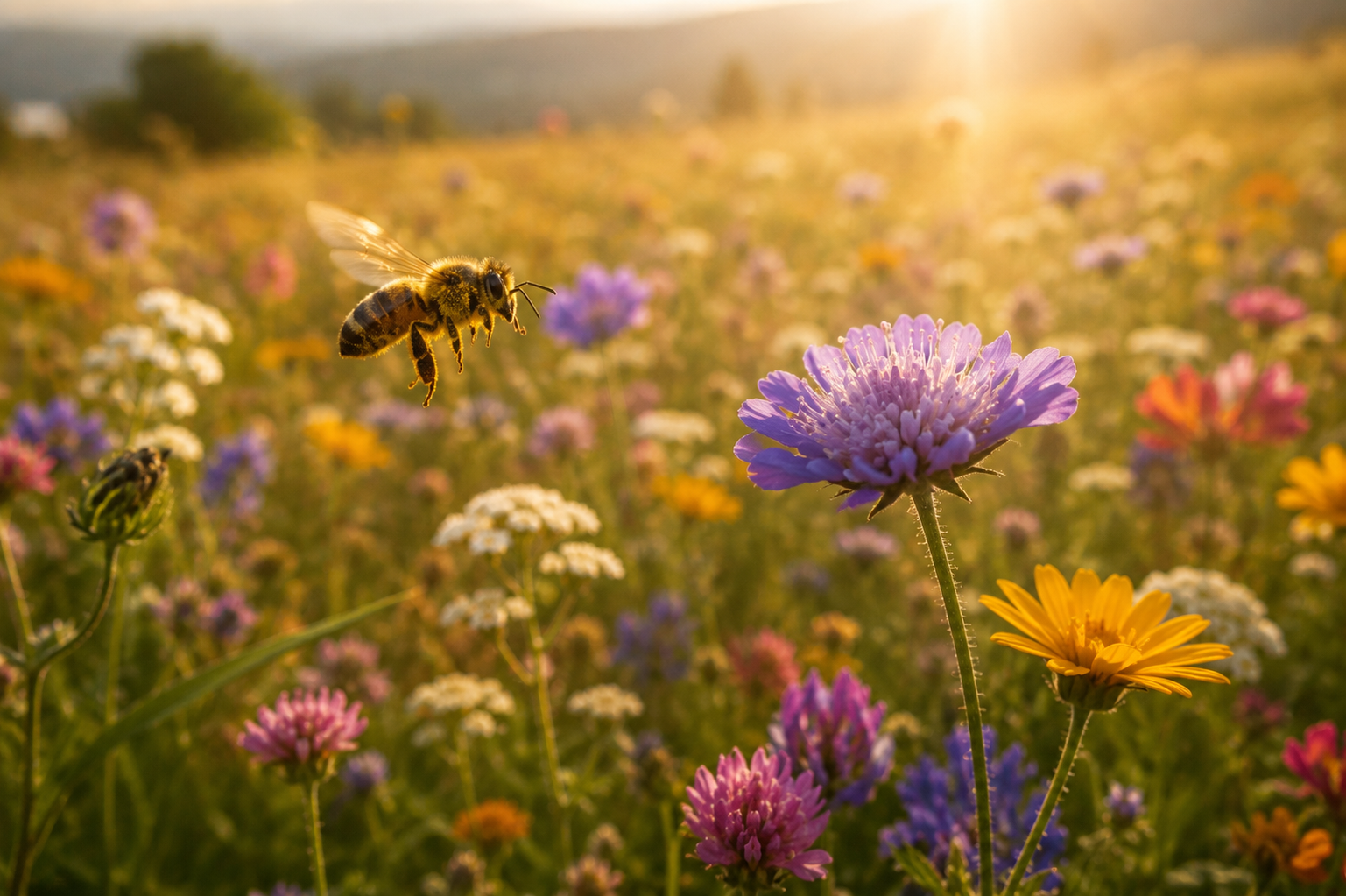
Finding flowers might sound easy.
But imagine searching for tiny colorful blooms scattered across forests, gardens, and vast farmland.
Honeybees solve this challenge using an impressive combination of senses.
Their large compound eyes detect colors that humans cannot see, including ultraviolet patterns hidden on flower petals.
To us, a flower may appear plain yellow.
To a honeybee, it often displays glowing patterns that act like landing lights, guiding the bee directly toward nectar.
Their powerful sense of smell is equally remarkable.
Even from a distance, bees can detect floral scents carried by the wind.
Once they discover a rich source of nectar, they memorize its location and return again and again until the flowers are empty.
For such a tiny insect, their navigation abilities are extraordinary.
Inside a Honeybee Colony
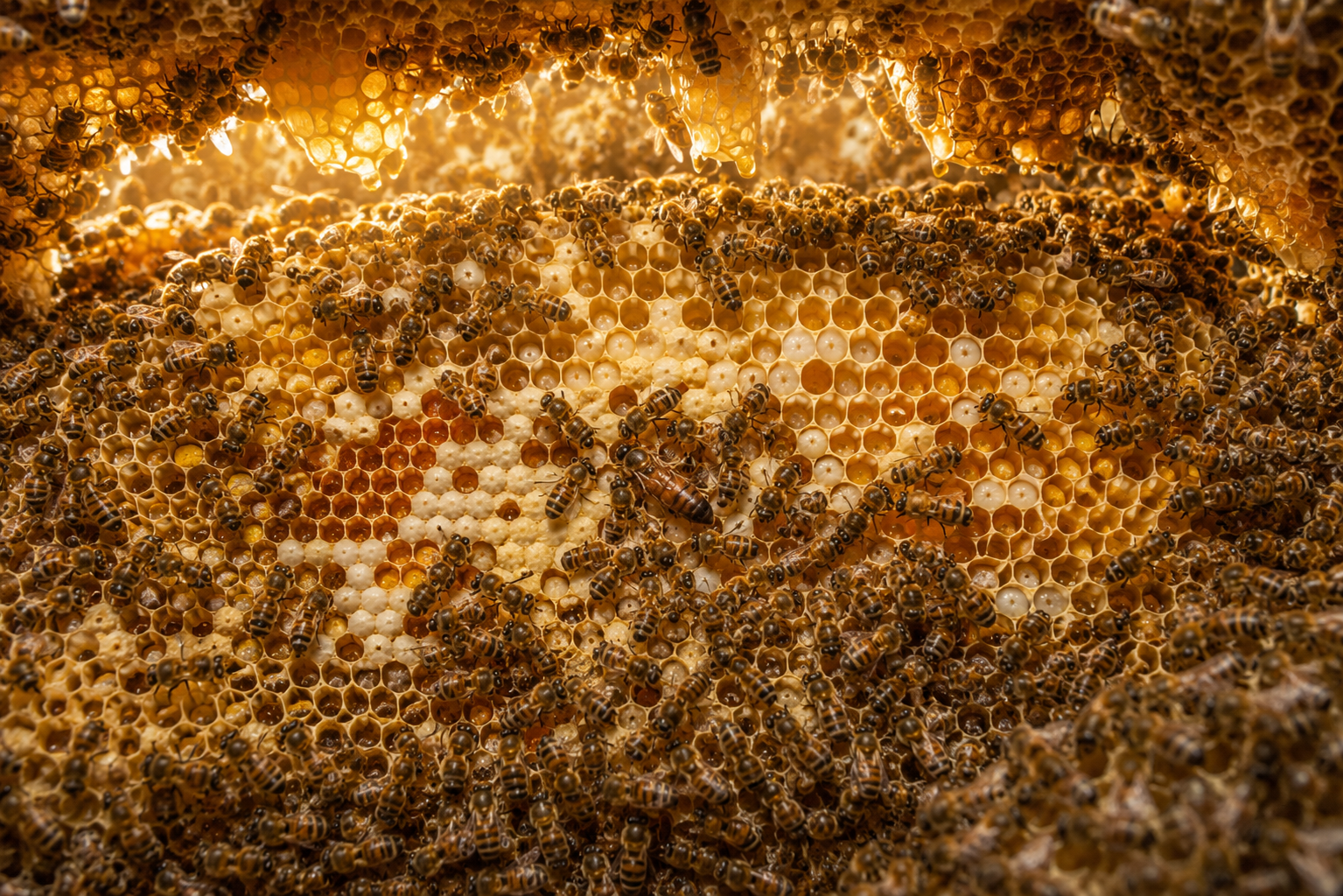
A single honeybee may seem insignificant.
Together, they form one of nature's most organized societies.
A healthy colony can contain 20,000 to 60,000 bees, each with a specific role.
At the center is the queen bee, whose primary job is laying eggs to keep the colony growing.
Most of the other bees are female worker bees. They clean the hive, care for young larvae, build wax honeycombs, guard the entrance, collect nectar, gather pollen, and produce honey.
The male bees, known as drones, have one main purpose—to mate with a queen.
No bee gives orders.
There is no manager or supervisor directing every movement.
Yet somehow, thousands of individuals work together with remarkable efficiency.
Every bee contributes to the survival of the colony, creating one of the most successful examples of teamwork found anywhere in nature.
The Waggle Dance: A Language of Directions
Imagine discovering a field filled with thousands of flowers, all rich in nectar.
How would you tell your family exactly where to find it?
Honeybees don't use words, maps, or sounds.
Instead, they perform one of the most extraordinary forms of communication in the animal kingdom—the waggle dance.
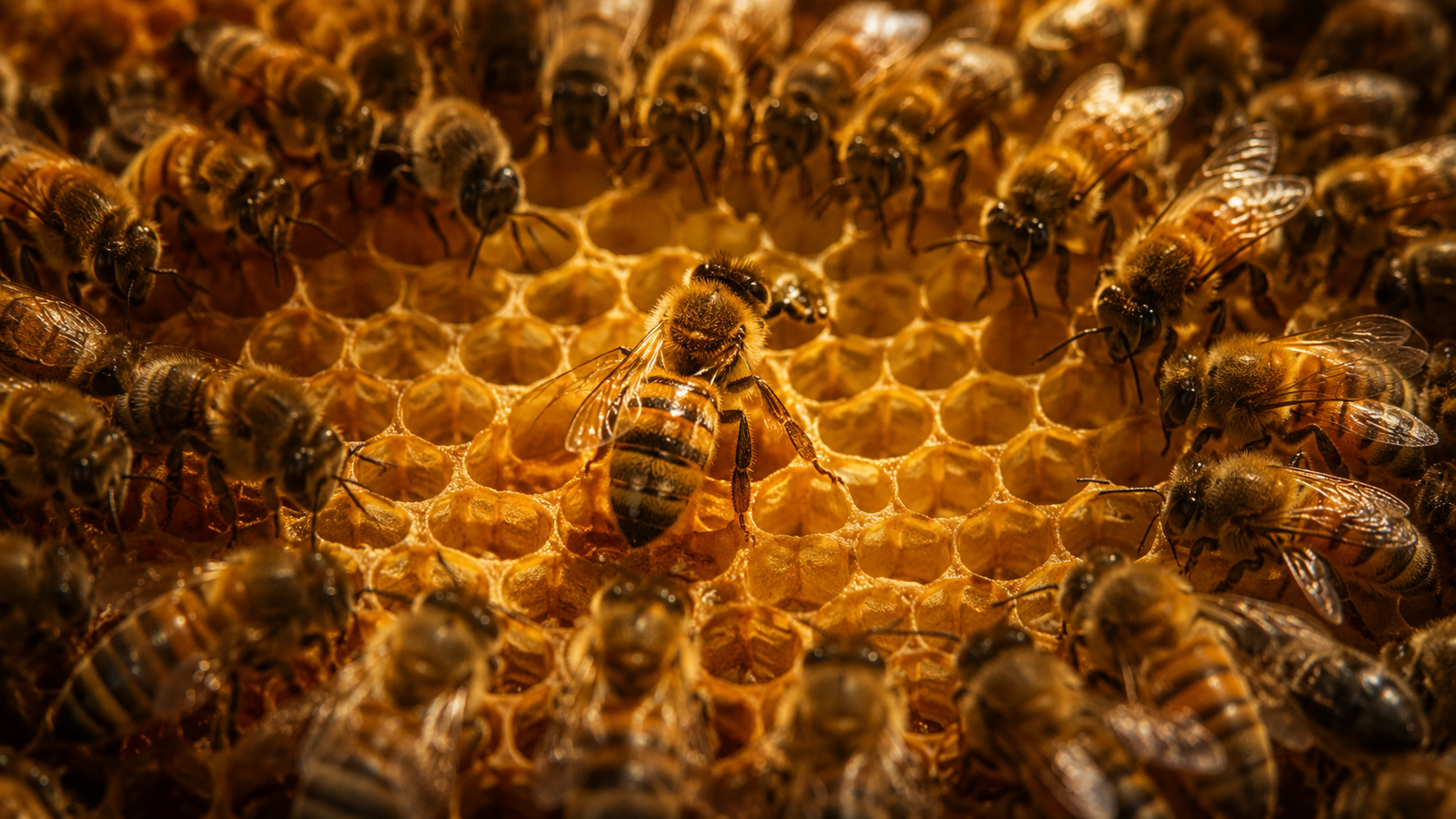
When a worker bee returns to the hive after finding a valuable food source, it begins moving in a figure-eight pattern while waggling its body. The angle of the dance tells other bees the direction of the flowers relative to the Sun, while the length of the waggle indicates the distance.
The more enthusiastic the dance, the richer the food source is likely to be.
Within minutes, dozens of worker bees leave the hive, flying directly to the flowers without ever having seen them before.
It's an elegant communication system that scientists only fully understood in the 20th century, revealing just how intelligent and organized a honeybee colony truly is.
How Bees Help Feed the World
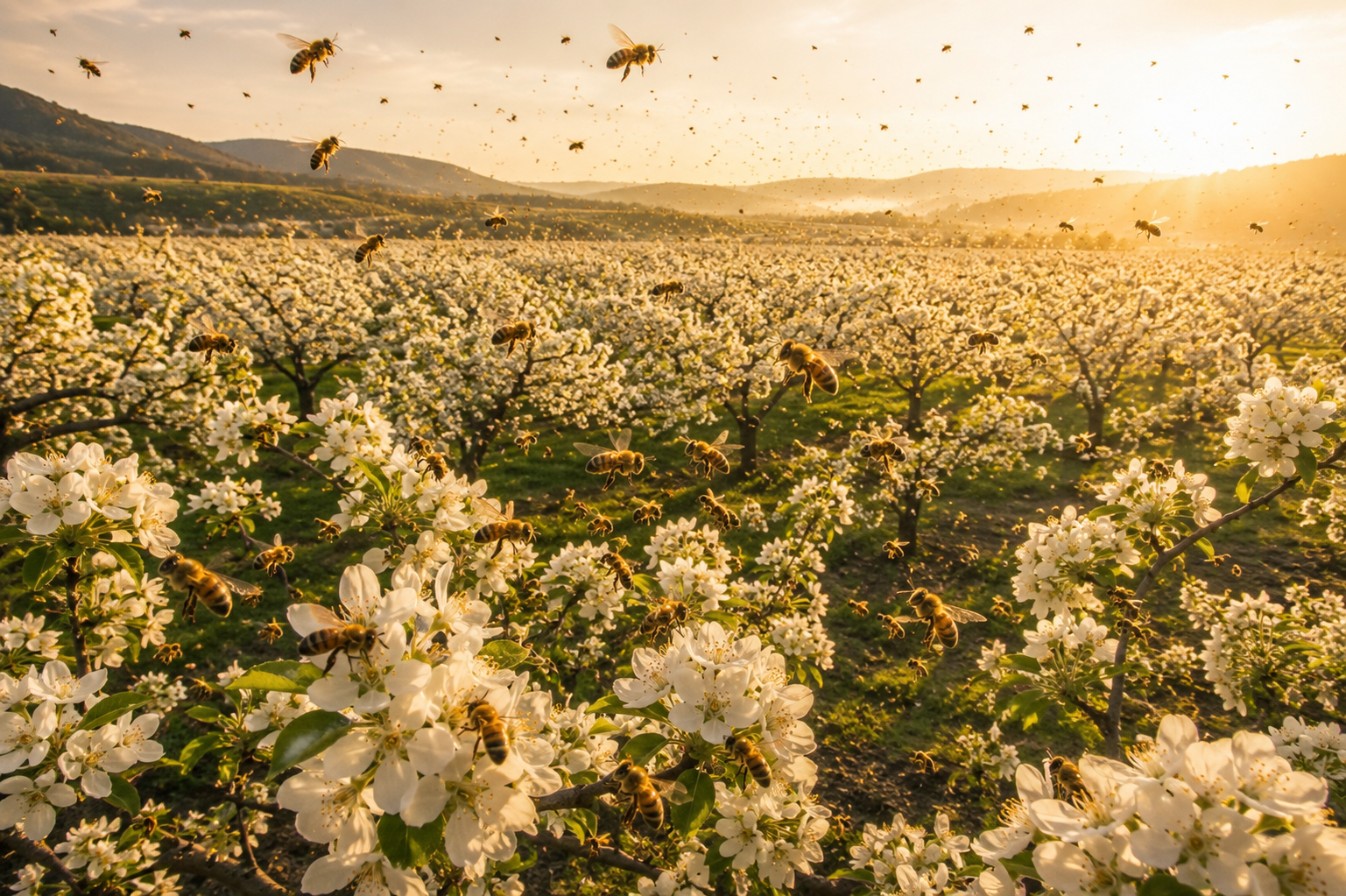
Honeybees don't simply visit flowers—they help produce much of the food we eat.
As bees collect nectar and pollen, they transfer pollen between flowers, allowing plants to produce fruits, vegetables, nuts, and seeds. This process, known as pollination, is essential for many crops grown around the world.
Foods such as apples, blueberries, almonds, pumpkins, cucumbers, cherries, avocados, and countless other fruits and vegetables benefit from bee pollination.
Even crops that can produce fruit without bees often yield larger, healthier, and higher-quality harvests when bees are present.
Farmers recognize this importance. During flowering season, beekeepers often transport thousands of beehives to orchards and farms so millions of bees can pollinate crops over just a few weeks.
Without these tiny workers, agriculture would become less productive, many nutritious foods would become more expensive, and ecosystems that depend on flowering plants would struggle to thrive
Honeybees may be small, but their impact reaches every dinner table.
Not Just Honey: Everything Bees Give Us
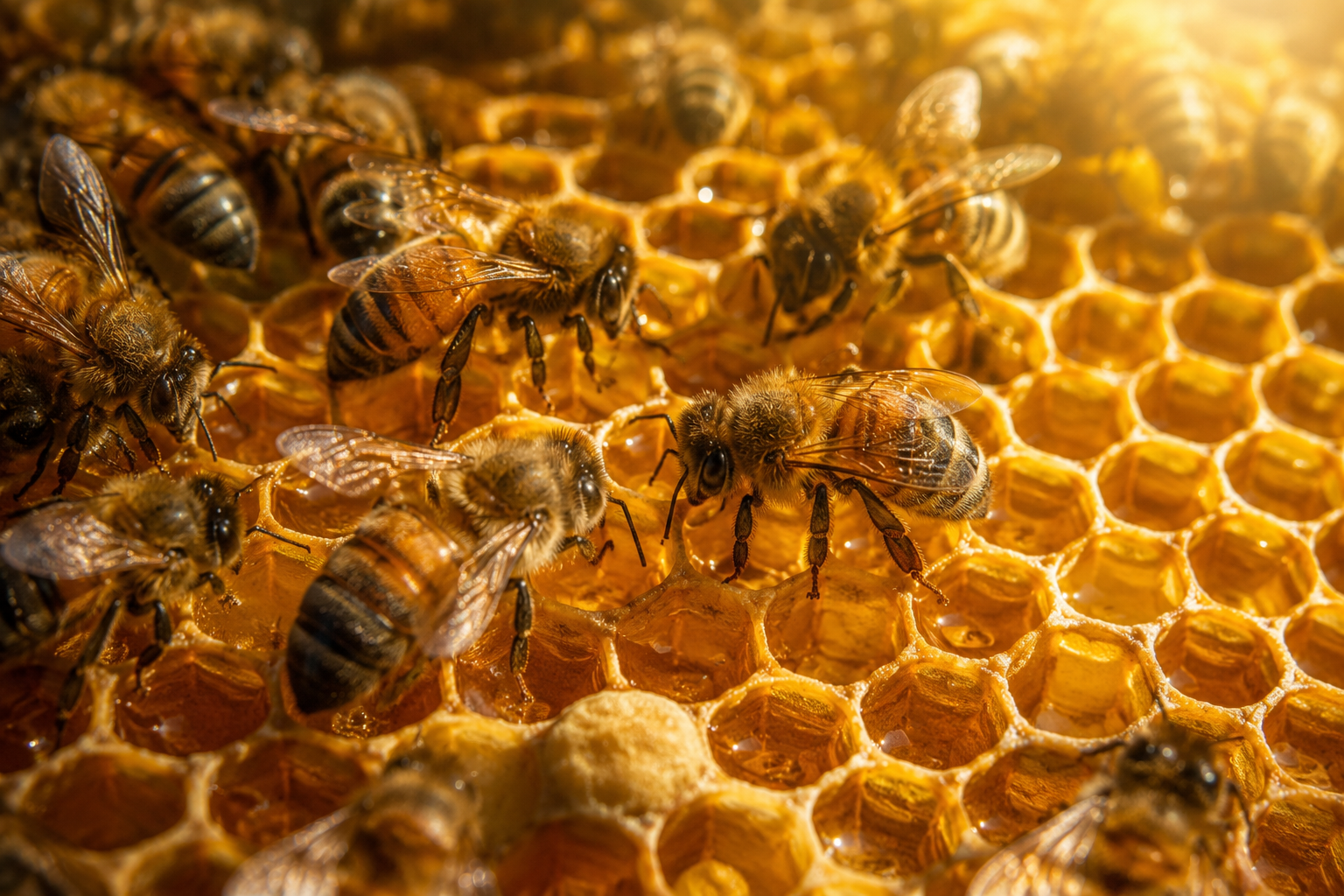
When people think about honeybees, the first thing that comes to mind is usually honey.
But honey is only one part of their contribution.
Bees also produce beeswax, which has been used for centuries in candles, cosmetics, skincare products, furniture polish, and food preservation.
Another valuable product is propolis, a resin-like substance bees collect from tree buds. Inside the hive, it acts as a natural sealant, helping protect the colony from bacteria and fungi. Scientists continue studying its potential medicinal properties.
Honeybees also produce royal jelly, a nutrient-rich food that allows a queen bee to grow larger and live much longer than worker bees.
Yet the greatest gift bees provide isn't found inside the hive.
It's the invisible service they perform every day by pollinating billions of flowers across fields, forests, gardens, and orchards.
That quiet work supports wildlife, strengthens ecosystems, and helps feed people around the world.
Threats Facing Honeybees
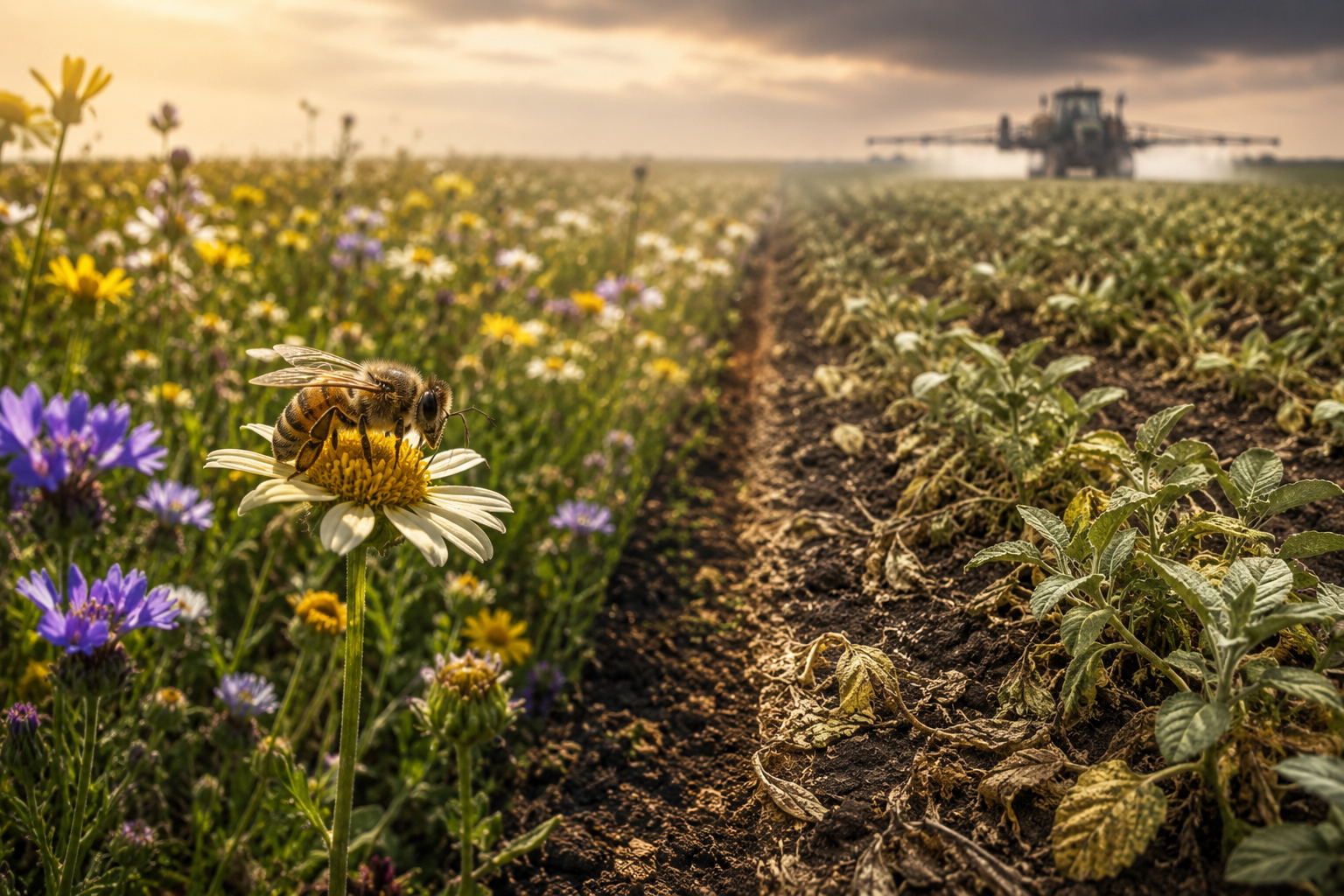
Despite their importance, honeybees face growing challenges.
Habitat loss has reduced the number of wildflowers that provide nectar and pollen. Expanding cities, intensive farming, and deforestation leave fewer places for bees to forage.
Pesticides can also harm bees, affecting their ability to navigate, communicate, and survive.
Climate change adds another layer of difficulty. Rising temperatures and shifting weather patterns can cause flowers to bloom earlier or later than usual, making it harder for bees to find reliable food sources.
Honeybees also face parasites and diseases, including the Varroa mite, one of the most serious threats to managed bee colonies worldwide.
While no single factor is responsible for bee declines, the combination of these pressures makes survival increasingly difficult.
Protecting honeybees means addressing all of these challenges together.
Can We Save the Bees?
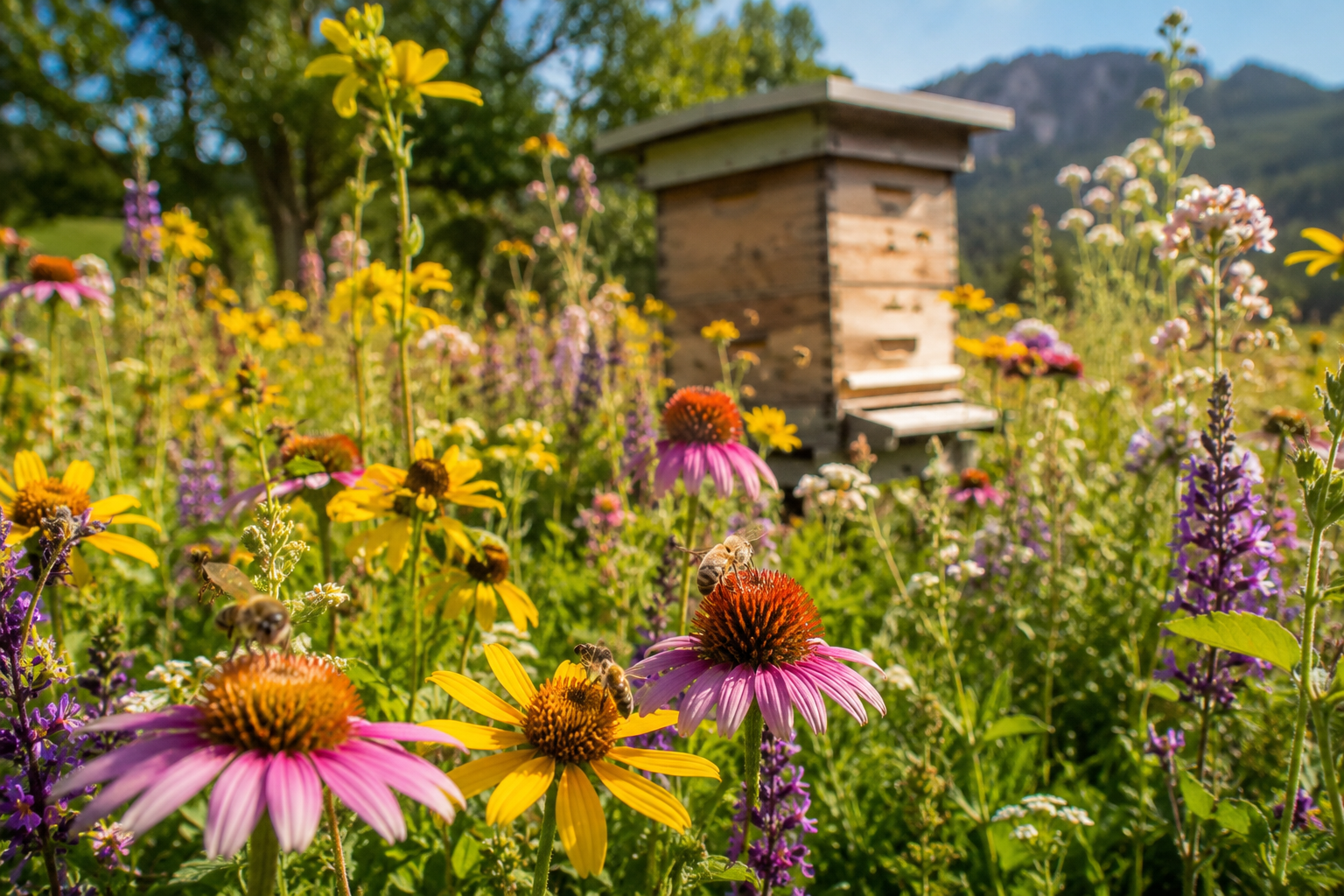
The good news is that honeybees can benefit from simple actions taken by individuals, communities, and farmers.
Planting flowers that bloom throughout the year provides bees with a steady source of nectar and pollen.
Reducing unnecessary pesticide use helps create safer habitats for pollinators.
Protecting natural meadows, forests, and hedgerows gives bees the diverse environments they need to thrive.
Even a small garden, balcony planter, or flowering tree can become a valuable food source for visiting bees.
Around the world, scientists, conservation organizations, farmers, and beekeepers are working together to better understand bee populations and develop ways to protect them.
Every healthy flower planted and every pollinator-friendly habitat restored is another step toward safeguarding the tiny insects that help sustain life on Earth.
Amazing Honeybee Facts
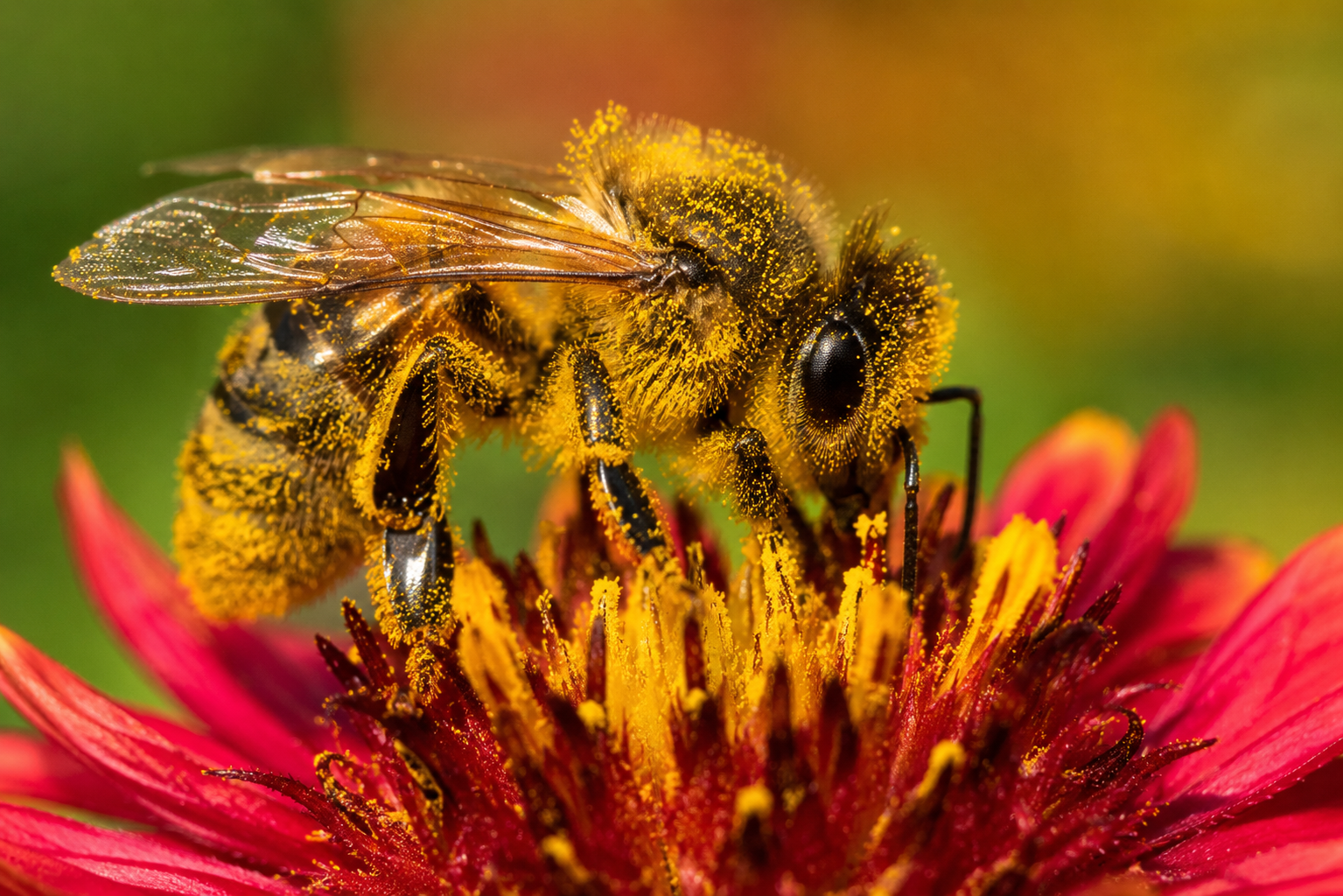
The more scientists study honeybees, the more incredible these tiny insects become. Despite measuring only a few centimeters in length, they perform tasks that rival the complexity of much larger animals.
Here are some fascinating facts about honeybees:
- 🐝 A single worker honeybee visits up to 5,000 flowers in one day while collecting nectar and pollen.
- 🍯 It takes the lifetime work of about 12 honeybees to produce just one teaspoon of honey.
- 🌸 Honeybees help pollinate more than 75% of the world's flowering plants and support many important food crops.
- 👀 Bees can see ultraviolet light, allowing them to detect patterns on flowers that are invisible to humans.
- 🏠 A healthy hive may contain 20,000 to 60,000 bees, all working together as one highly organized colony.
- 🛩️ Honeybees can fly at speeds of around 24 km/h (15 mph) while carrying nectar and pollen.
- 👑 A queen bee can lay up to 2,000 eggs in a single day during peak season.
- 📍 Honeybees use the Sun, landmarks, and even Earth's magnetic field to help navigate back to their hive.
Every new discovery reminds us that these small insects possess abilities far beyond what most people imagine.
The Smallest Heroes of Nature
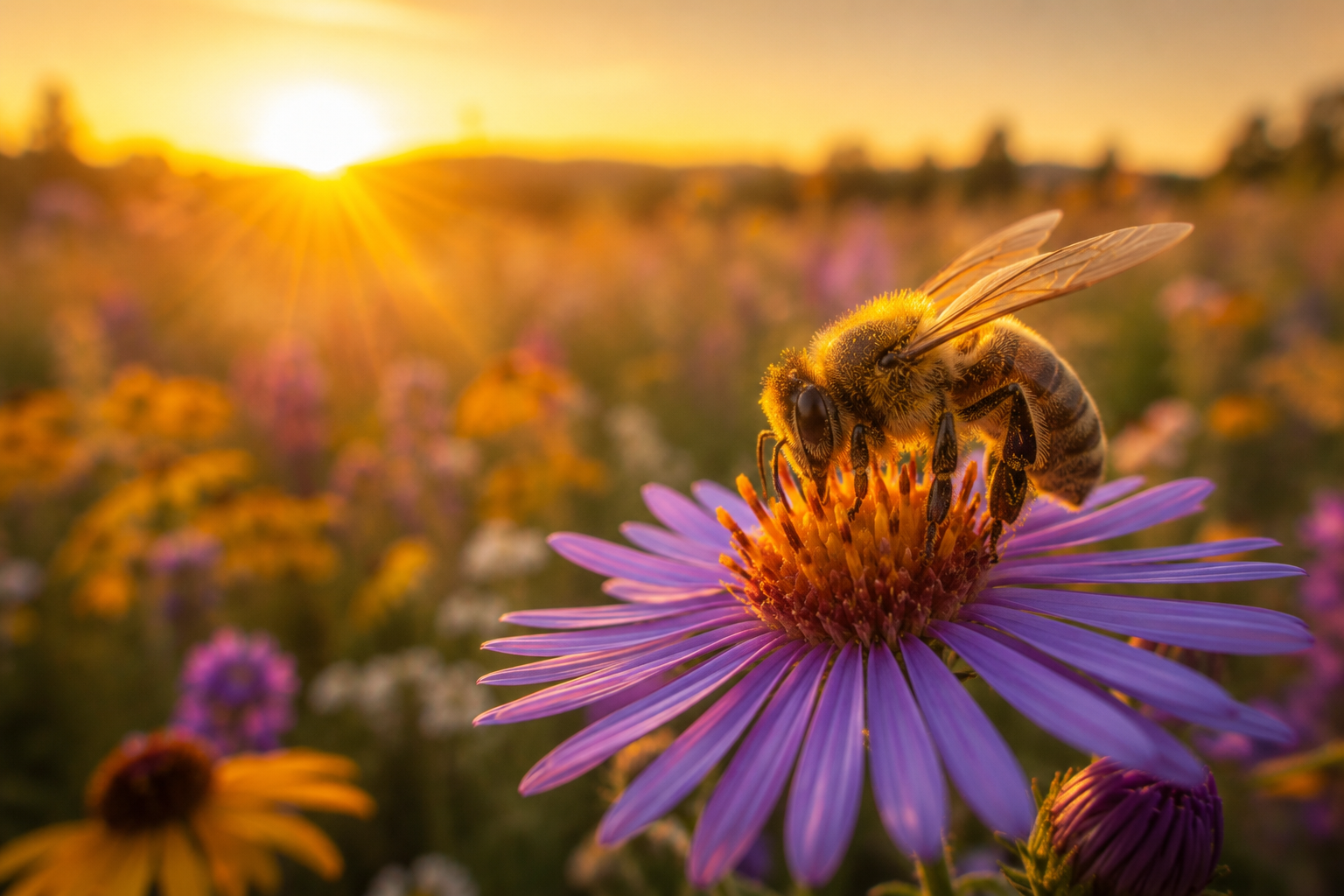
Honeybees may be tiny, but their impact is enormous. Every journey from flower to flower helps grow the fruits, vegetables, and wild plants that support life across our planet. Without seeking attention, they quietly keep ecosystems healthy and food supplies thriving.
The next time you see a honeybee buzzing through a garden, remember that you're watching one of nature's most important workers. Sometimes, the smallest creatures leave the greatest mark on the world.