Introduction — A Problem Every Mammal Should Have
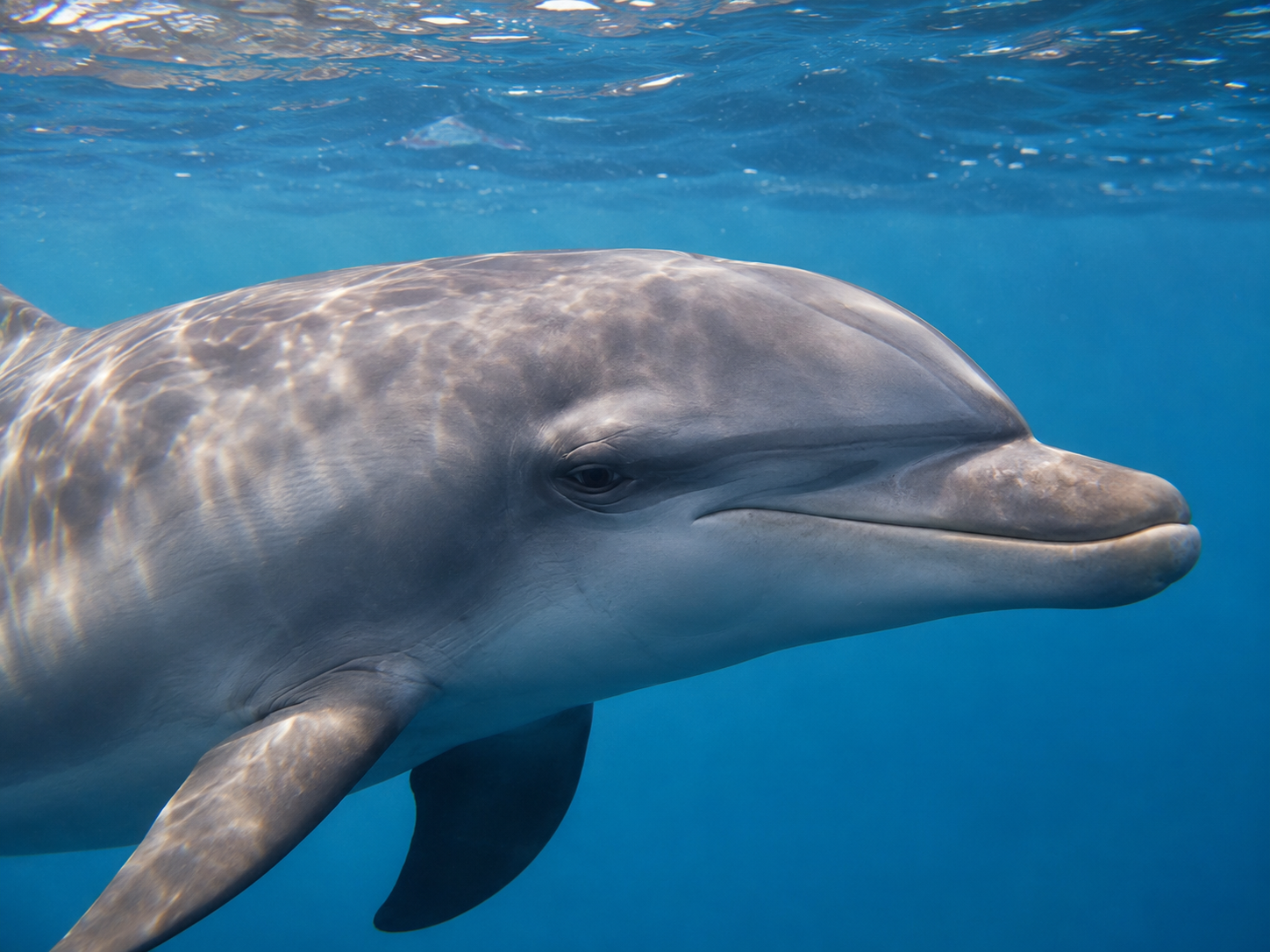
For humans, sleep means letting go.
We close our eyes, become less aware of the world around us and allow our bodies to rest.
A dolphin cannot quite do that.
It lives in a world where breathing happens at the surface. It cannot simply settle onto the seafloor and sleep for hours. It still has to come up for air, remain aware enough to control its body and, at least in some situations, keep moving through the water.
So how does it sleep?
The answer is one of the strangest forms of sleep found in mammals.
A dolphin can let one side of its brain rest while the other remains active. This is called unihemispheric sleep. It allows the animal to rest without completely switching off.
But even that simple explanation hides some fascinating details.
A sleeping dolphin may keep one eye open. It may continue swimming. It can surface and breathe while part of its brain is asleep.
And when it comes to dreaming, scientists still do not have a complete answer.
That makes dolphin sleep more than a strange animal fact.
It is a remarkable solution to a basic problem:
How do you sleep when you still need to breathe?
Chapter 1 — The Problem With Being a Mammal in Water
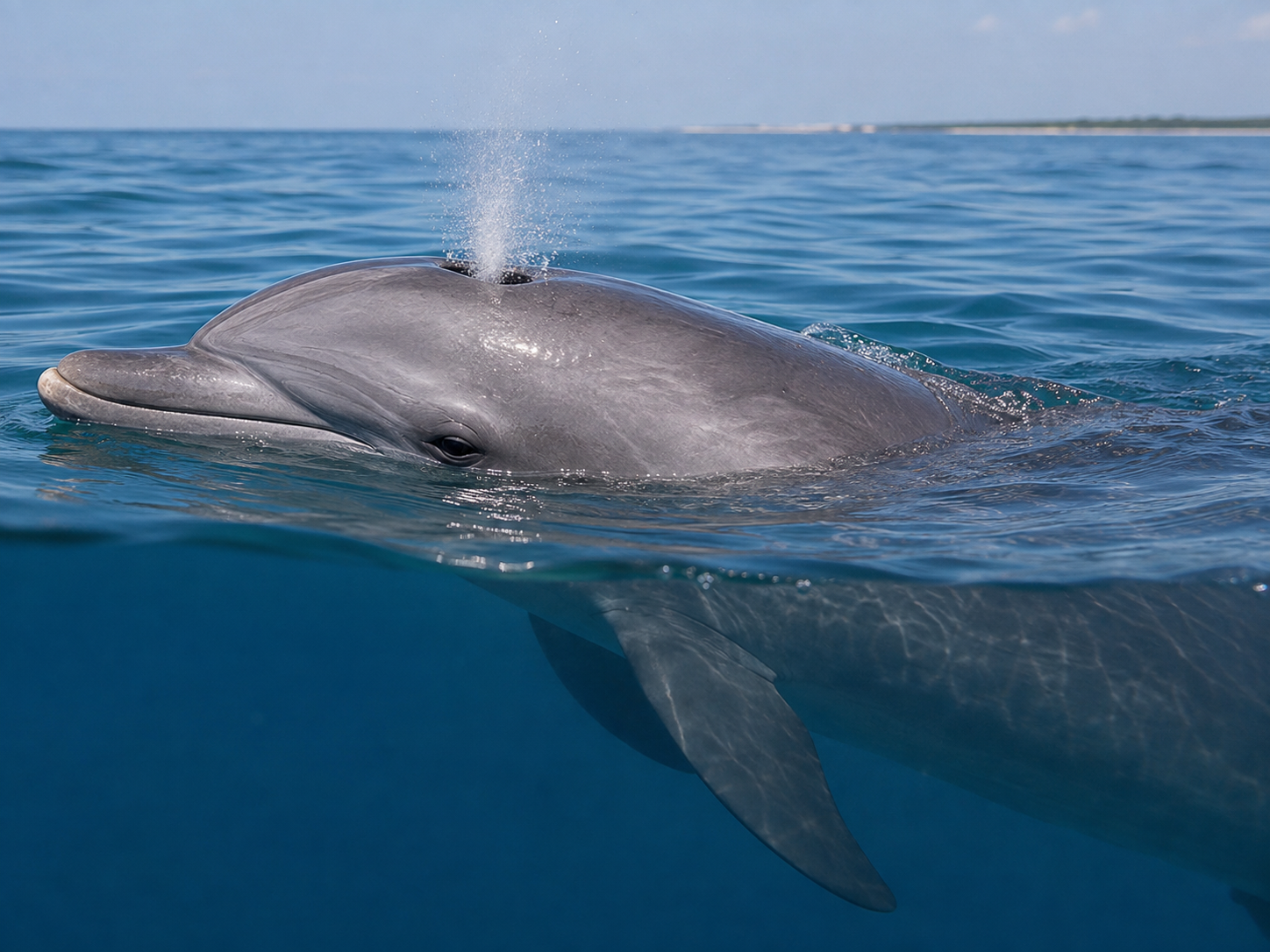
Dolphins breathe air, just like we do.
The difference is that they cannot simply stop paying attention to breathing and remain safely underwater.
For many years, scientists described dolphins as voluntary breathers, meaning their breathing can be brought under conscious control more directly than in humans. But the simple idea that dolphins' breathing is completely non-automatic is misleading. Research has shown that dolphins have both automatic and voluntary control over respiration.
The real problem is simpler.
A dolphin sleeping deeply still needs to remain able to surface and breathe.
If its entire brain entered the same deep sleep state as a sleeping human, controlling movement and responding to the need to breathe could become a serious problem.
Evolution solved this in an unusual way.
Instead of putting the whole brain to sleep at once, dolphins can allow one hemisphere to enter slow-wave sleep while the other remains active.
The dolphin gets rest without completely disconnecting from its surroundings.
It is less like switching off a machine and more like putting half of it into standby.
Why Dolphins Cannot Sleep Like Humans
Chapter 2 — Unihemispheric Sleep, Explained
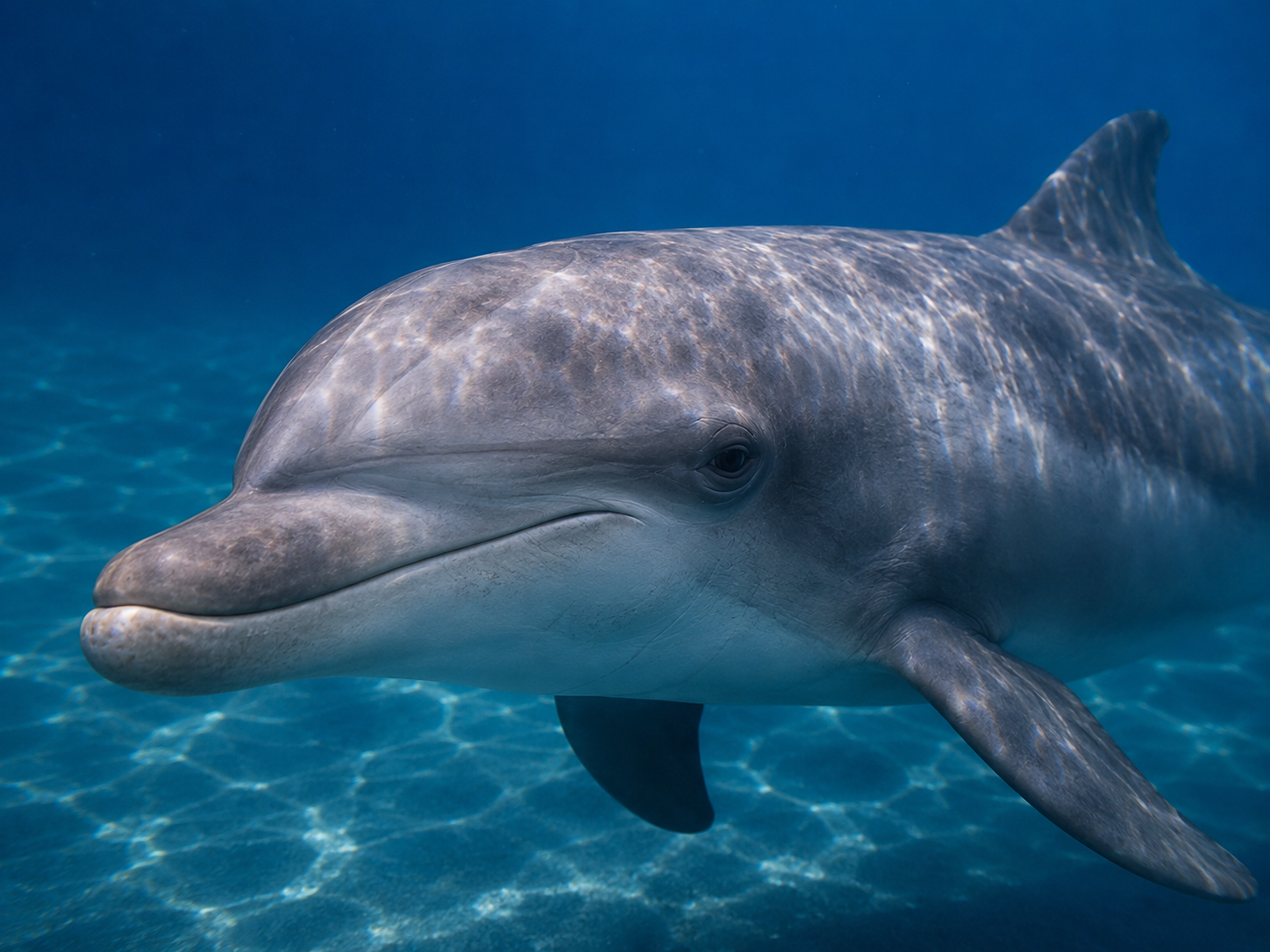
This is the part that sounds almost impossible.
A dolphin can sleep with one hemisphere of its brain at a time.
While one side shows the brain activity associated with slow-wave sleep, the other side remains much more active. Later, the two sides can switch roles.
The dolphin can therefore get rest without becoming completely unresponsive.
And yes, the famous “one eye open” idea has some truth behind it.
A sleeping dolphin can have one eye open while the other is closed. In many observations, the open eye is associated with the more active side of the brain. But the relationship is not perfectly simple, so “dolphins always sleep with one eye open” is an exaggeration.
The important thing is not the eye itself.
The important thing is what the brain is doing.
The eye is part of a larger pattern in which one side of the animal remains more alert while the other rests.
For the dolphin, sleep is not a complete escape from the outside world.
It is a partial retreat.
Half-Brain Sleep
Chapter 3 — How They Keep Breathing

Sleeping does not mean dolphins become completely still.
Depending on the species, the animal may continue swimming slowly, remain near the surface or use other resting positions while sleeping. Cetacean sleep is closely connected with the need to maintain breathing and, in some species, continued movement.
This is especially useful for dolphins.
They can continue making controlled movements while one side of the brain is sleeping.
They can also come to the surface and breathe.
So the dolphin's body never has to completely shut down.
This is one reason dolphin sleep looks so unusual to us.
A sleeping human usually looks very different from a human who is awake.
A sleeping dolphin may still be moving through the water.
And dolphins are not the only marine mammals with unusual sleep.
Whales can also use unihemispheric sleep. Some seals and manatees have also been found to use this kind of sleep, although their sleeping patterns are not identical to dolphins.
The ocean has created a very different set of problems from life on land.
Different animals have found different solutions.
Sleep and Breathing
Chapter 4 — Do Dolphins Dream?
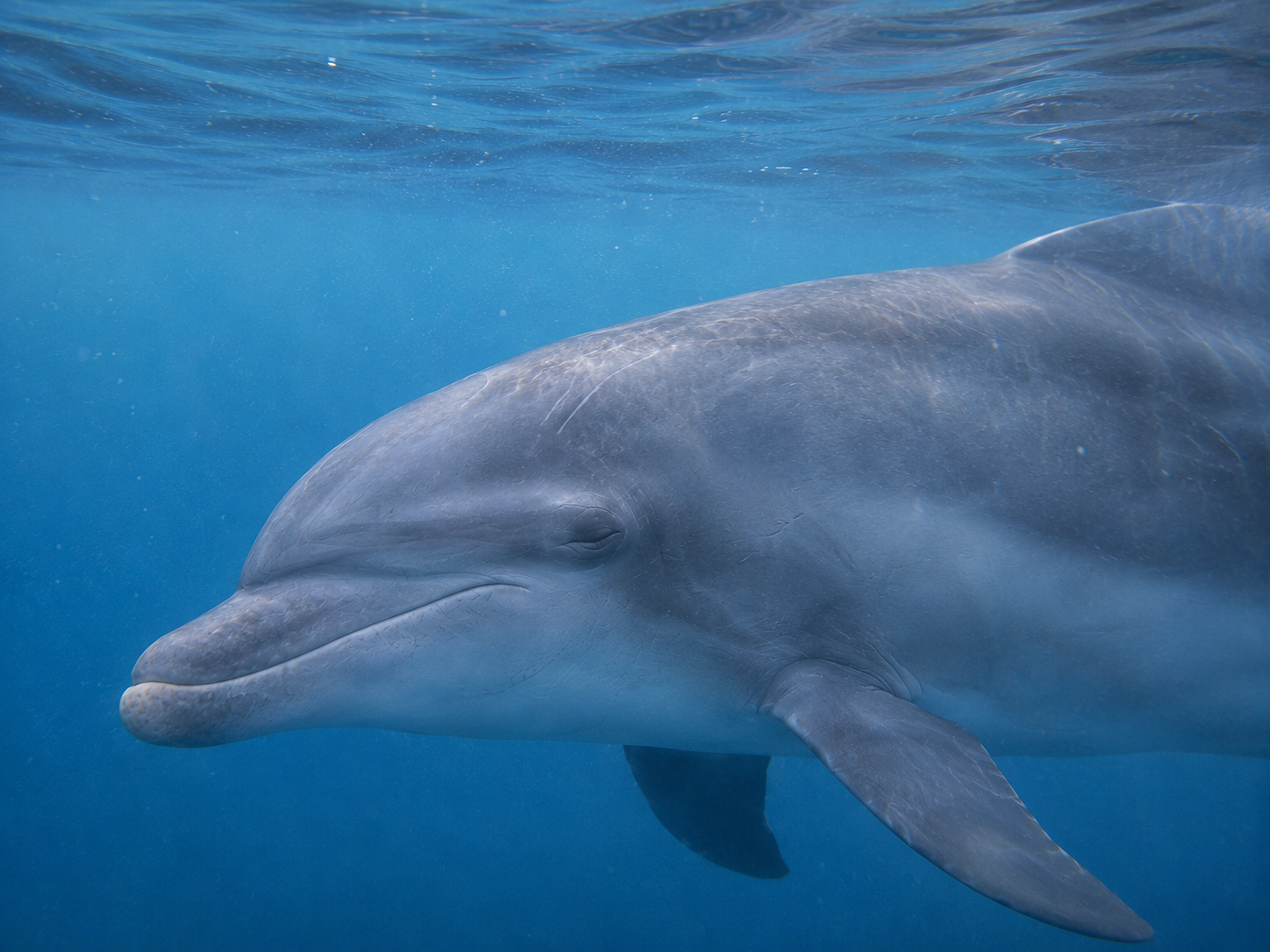
This is where the answer becomes much less certain.
Scientists can measure brain activity during dolphin sleep.
They can watch eye movements.
They can record behavior.
But they cannot ask a dolphin what it experienced while sleeping.
And there is another problem.
In humans, REM sleep is strongly associated with dreaming. In dolphins and other cetaceans, scientists have not found clear, consistent evidence of normal REM sleep. Some studies have reported possible REM-like features, but the evidence is not strong enough to say that dolphins experience human-like REM sleep.
So, do dolphins dream?
We don't know.
It is possible that dolphins experience some kind of internal mental activity during sleep.
But saying that a dolphin dreams about chasing fish, swimming with its pod or remembering its day would be speculation.
That distinction matters.
There is a lot we can learn from dolphin brains.
There are also things we simply cannot observe directly.
For now, scientists can describe how dolphins sleep much more confidently than they can describe what dolphins experience while sleeping.
And that uncertainty is part of what makes their sleep so interesting.
What We Know About Dolphin Dreams
Chapter 5 — How Other Marine Mammals Sleep

Dolphins are not the only animals that had to solve the problem of sleeping in water.
Whales use unihemispheric sleep as well. Large whales may rest while floating or remaining relatively still, although sleep behavior varies among species.
Seals are more flexible. Some species can use unihemispheric sleep in the water, while their sleep can become more like that of land mammals when they are on land.
Manatees can also show unihemispheric sleep.
So there is no single rule for sleeping in the ocean.
Different marine mammals have evolved different ways to rest while still dealing with breathing, movement, temperature and their surroundings.
The dolphin's solution is simply one of the most remarkable.
It does not completely switch off.
Instead, it finds a middle ground between sleeping and staying ready.
And that may be the simplest way to understand dolphin sleep:
They rest without ever completely leaving the world around them.
How Marine Mammals Sleep
FAQ Frequently Asked Questions
1. Do dolphins sleep with one eye open?
Sometimes. During unihemispheric sleep, one side of the brain can remain more active while the other rests. The eye associated with the more active side may remain open. However, “dolphins always sleep with one eye open” is an oversimplification.
2. How long do dolphins sleep each day?
Dolphins do not usually have one long sleep period like humans. They take repeated periods of rest throughout the day and night, switching which side of the brain is resting. The exact amount of sleep varies by species and situation.
3. Do dolphins dream?
Scientists do not know. Researchers can study dolphin brain activity during sleep, but there is no reliable way to determine what a dolphin subjectively experiences. Claims that dolphins dream about specific activities are speculation.
4. Can dolphins drown?
Yes. Dolphins must surface to breathe air, so they can drown if they become unable to reach the surface or control their breathing. Their unusual sleep system helps them remain capable of surfacing while resting.
5. Do dolphins stop swimming when they sleep?
Not always. Dolphins may continue slow, controlled movements while resting, although their exact behavior varies. Their one-sided sleep allows them to remain sufficiently responsive to their surroundings and breathing needs.
6. Why do dolphins sleep with half their brain awake?
It helps solve a basic survival problem. Dolphins need to rest, but they also need to surface and breathe. Unihemispheric sleep allows one hemisphere to rest while the other remains active enough to help maintain essential behavior.
7. Do all whales sleep like dolphins?
Many cetaceans, including whales, use unihemispheric sleep, but their resting behavior is not identical to dolphins. Different species have different ways of remaining safe while sleeping in the water.
8. Do seals sleep with half their brain?
Some seals can use unihemispheric sleep, particularly while they are in the water. Their sleep patterns can change when they are on land, showing that marine mammals have evolved several different ways to deal with the challenges of sleeping.
9. Can dolphins sleep while swimming?
Yes. Dolphins can rest while making slow, controlled movements through the water. This allows them to remain active enough to surface and breathe while one hemisphere of the brain is resting.
10. Why can't dolphins sleep like humans?
Humans can sleep with the entire brain entering different stages of sleep while breathing continues automatically. Dolphins have much stronger conscious control over breathing, so completely switching off for a long period would create a problem. Their one-sided sleep provides a safer solution.